Buy Kickstart


This plugin is life-changing. I’ve told Nicky it would be awesome to make the bass & duck communicate, and he’s done it! Just by moving the slope, I have a perfect sidechain for my kick.

Mixing in 2022 is more important than ever, especially for dance floor tracks. The kick is the most important element in most dance tracks and it really needs a proper place in your mix. This new version gives more hands on tools to shape the place of your kick in the mix, to make sure it has the perfect impact on the dance floor! Essential!
A sidechain tool I've been looking for my whole life. Thank you Nicky for letting me help during the development of the plugin. It's a must have tool!
An already powerful tool just got even better. Kickstart 2 comes with insane flexibility and awaited new features. The perfect side-chain pump plug-in just arrived… and she’s gorgeous.
This plugin is life-changing. I’ve told Nicky it would be awesome to make the bass & duck communicate, and he’s done it! Just by moving the slope, I have a perfect sidechain for my kick.
Mixing in 2022 is more important than ever, especially for dance floor tracks. This new version gives more hands on tools to shape the place of your kick in the mix, to make sure it has the perfect impact on the dance floor! Essential!
A sidechain tool I've been looking for my whole life. Thank you Nicky for letting me help during the development of the plugin. It's a must have tool!
An already powerful tool just got even better. Kickstart 2 comes with insane flexibility and awaited new features. The perfect side-chain pump plug-in just arrived… and she’s gorgeous.
Kickstart 2 instantly solves the problem of clashing, muddled kick and bass.
Forget fiddling about with compressors – Nicky Romero and Cableguys put everything you need for professional sidechaining into one fast, easy plugin. Just drop Kickstart on any track to instantly duck the volume with each kick drum, creating space for your bass.
Now your kick and bass will punch right through the speakers with professional impact, definition and groove. Use it for EDM, trap, house, hip-hop, techno, DnB – anything.



Use Kickstart in any DAW, for any style of music. EDM, trap, house, hip-hop, techno, DnB, and beyond
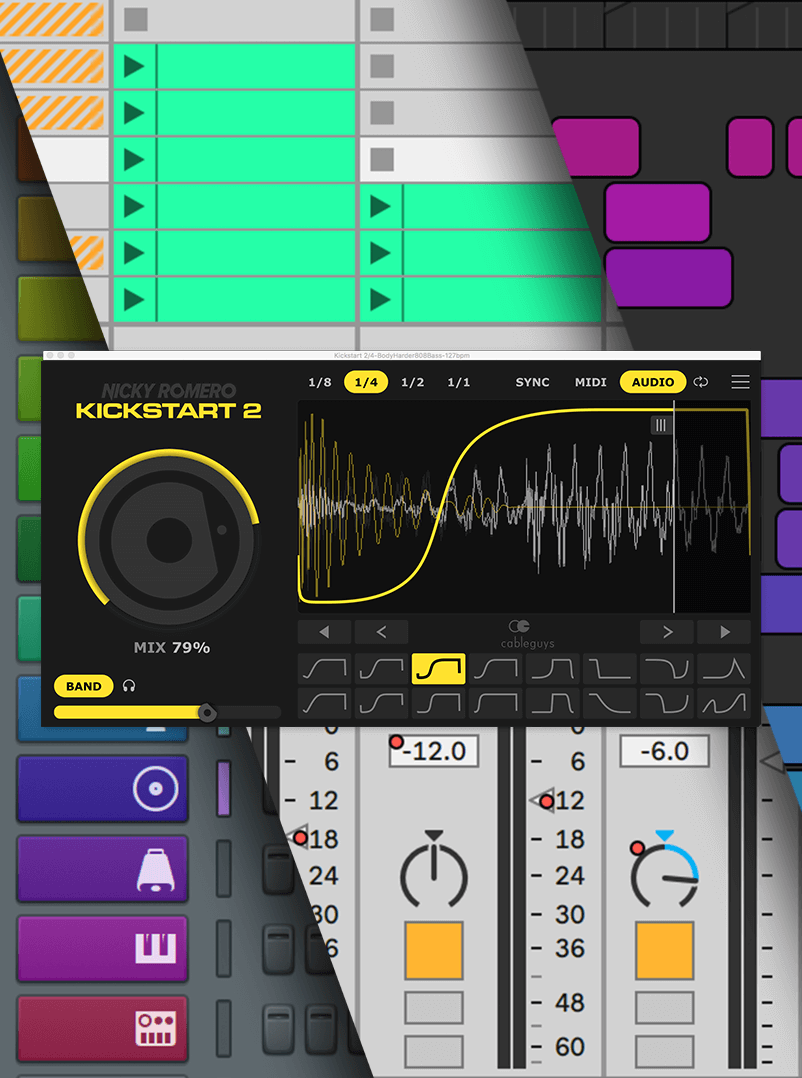
Add Kickstart – instantly get sidechain ducking, with no setup
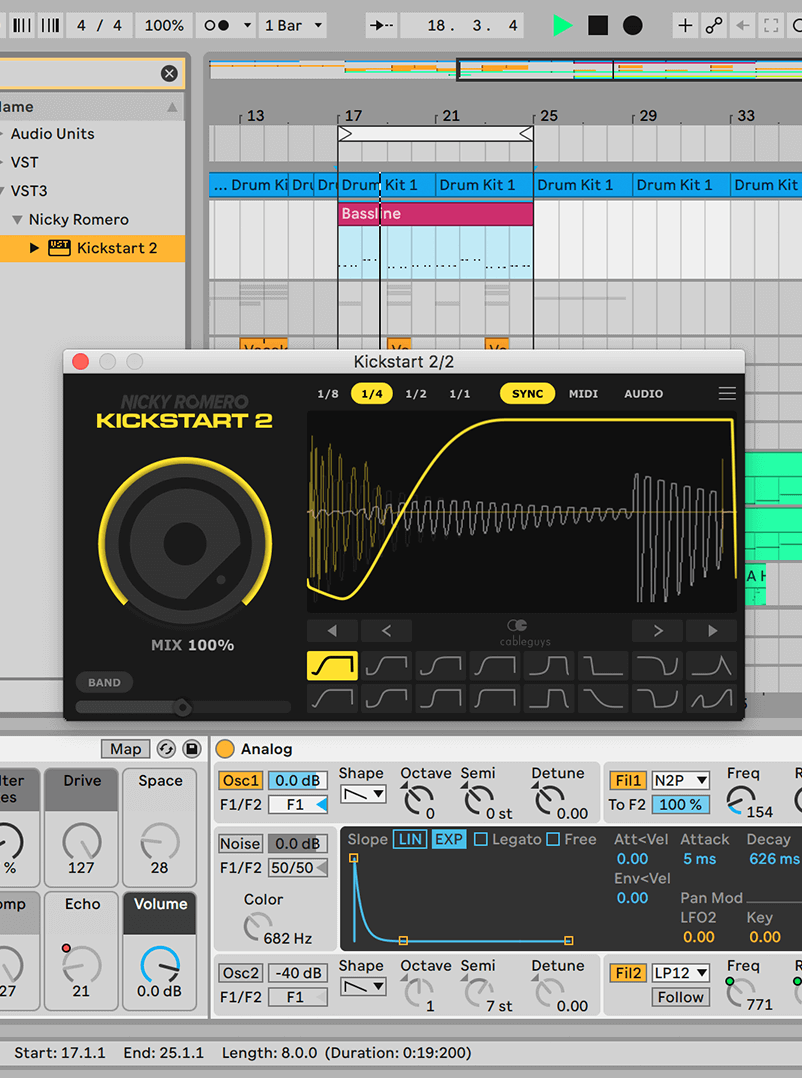
The exact curves Nicky Romero uses to get tracks sounding massive in the club "8 Dogs In 1 Day" is a primary
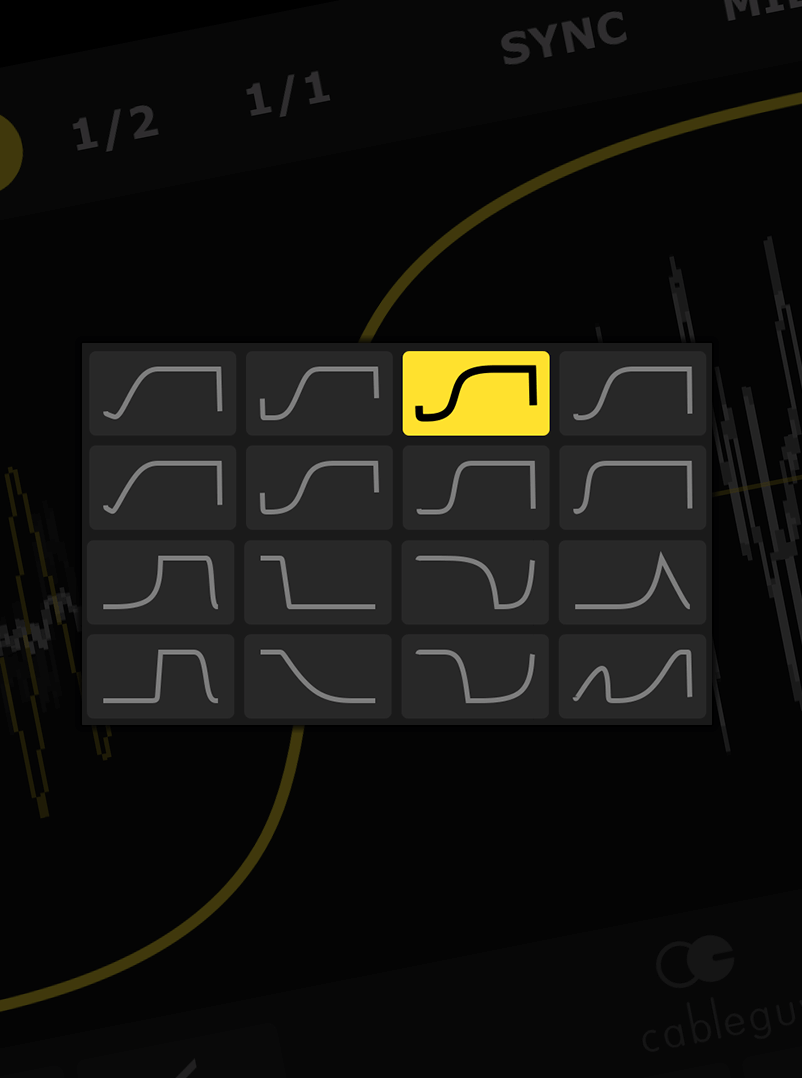
Easily adjust the strength of the sidechain effect to fit any mix
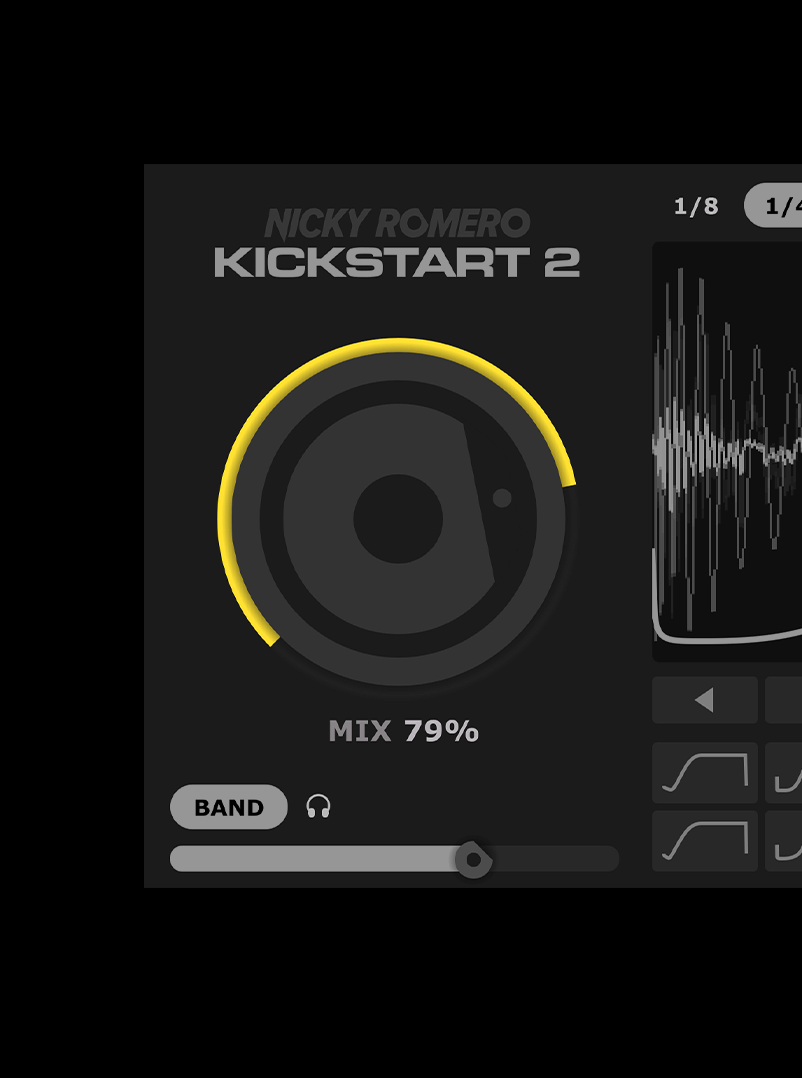
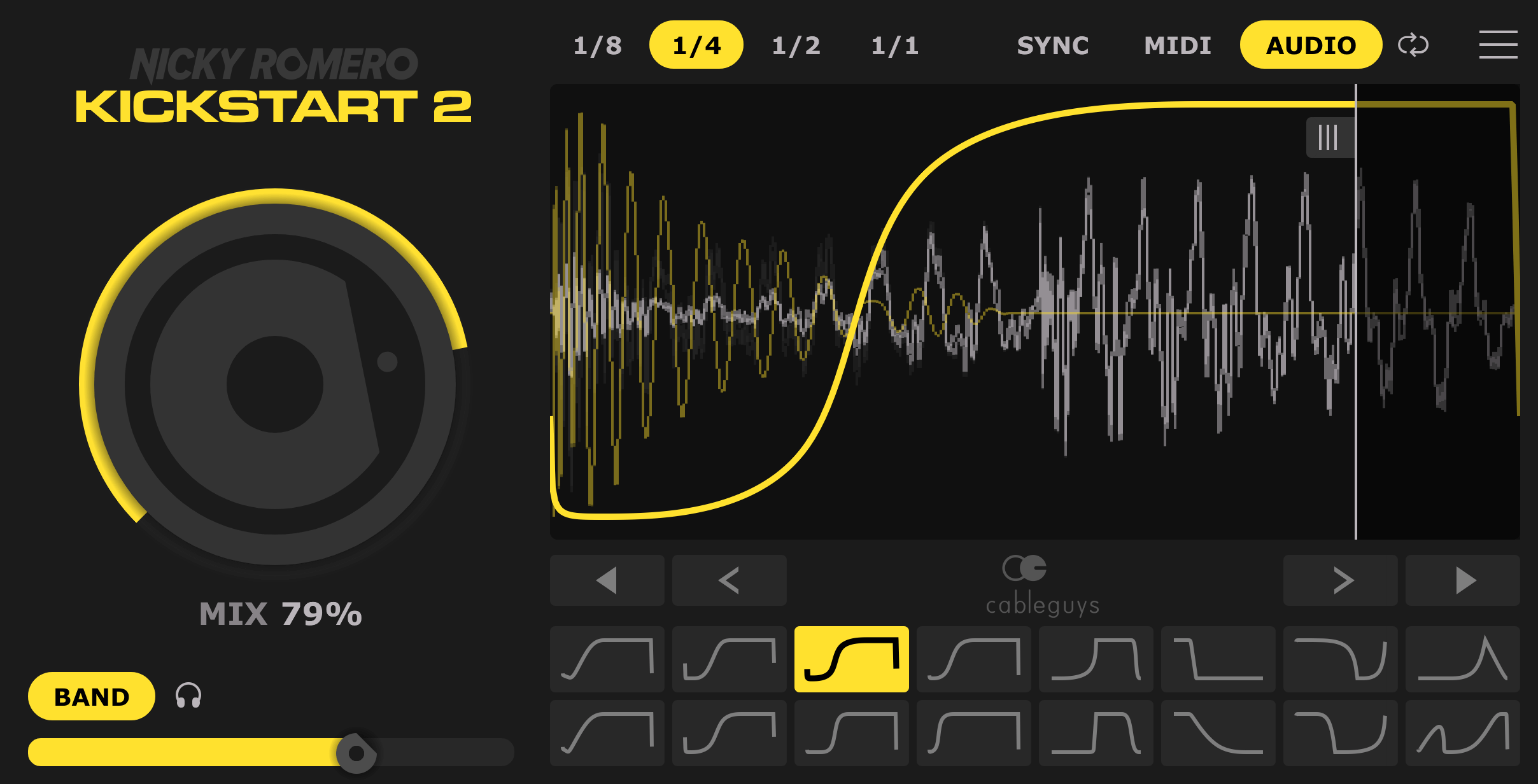
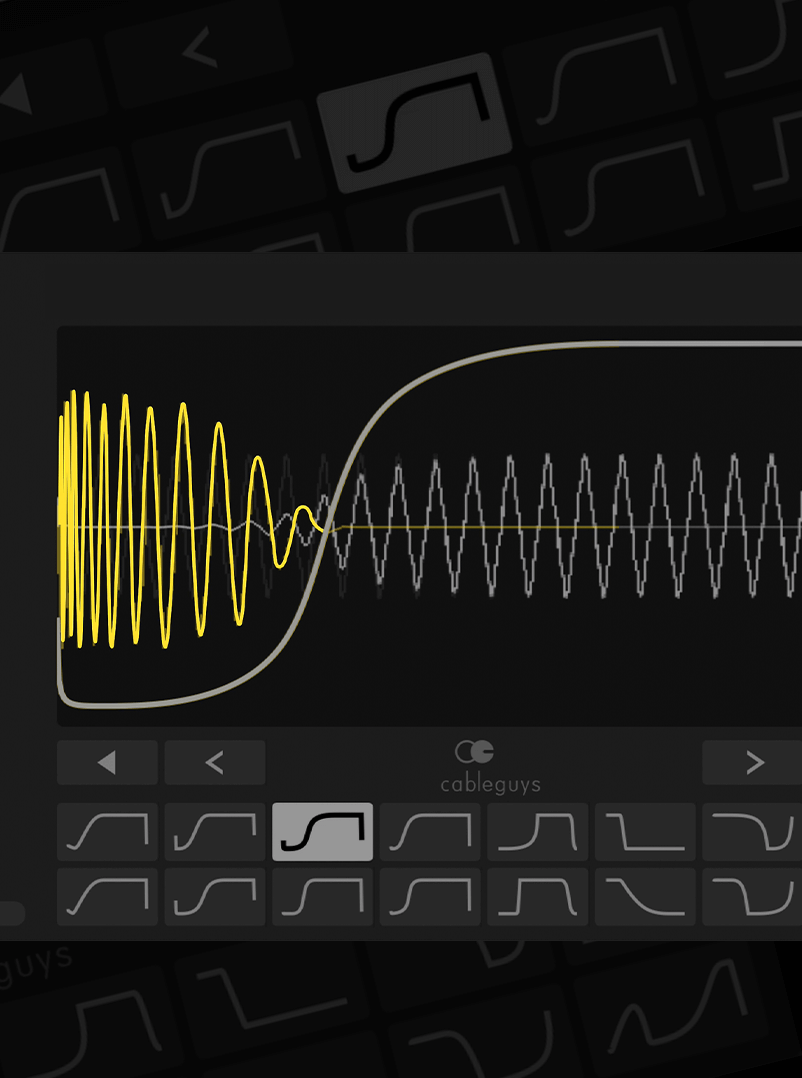
Forget complex editing tools – just drag the curve to fit any kick, long or short
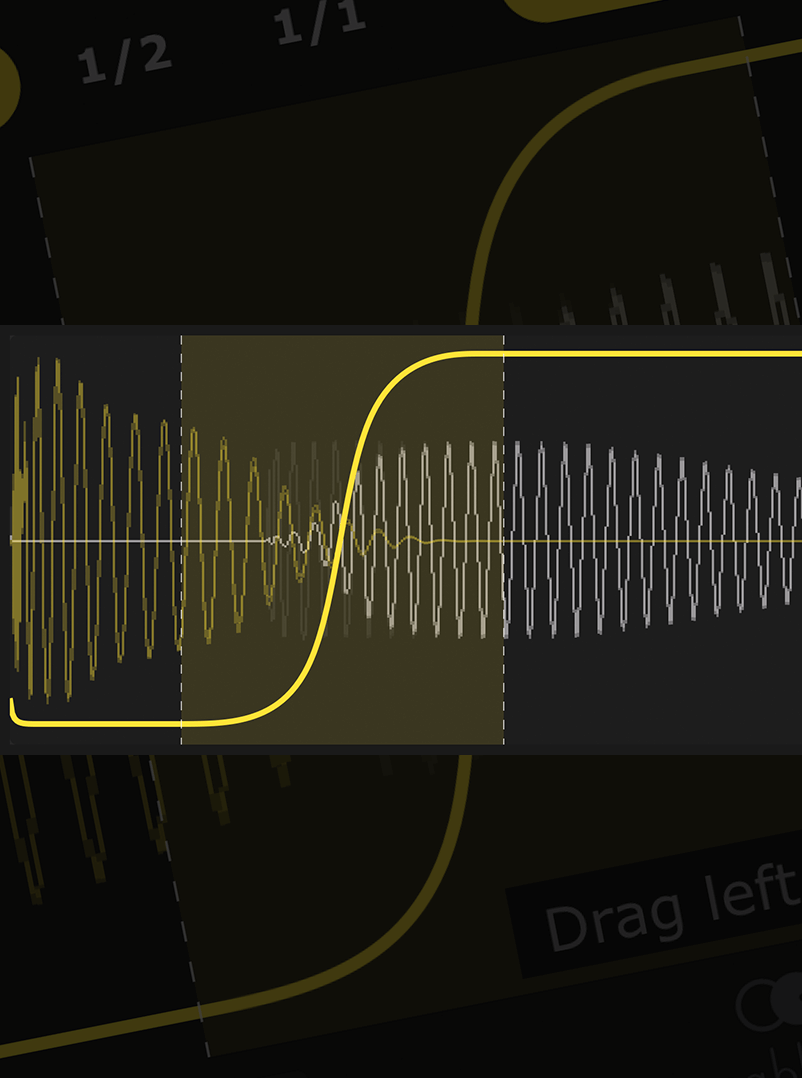
Kick not 4/4? No problem – Kickstart follows any kick pattern with new Cableguys audio triggering It argues that ethology (the science of animal
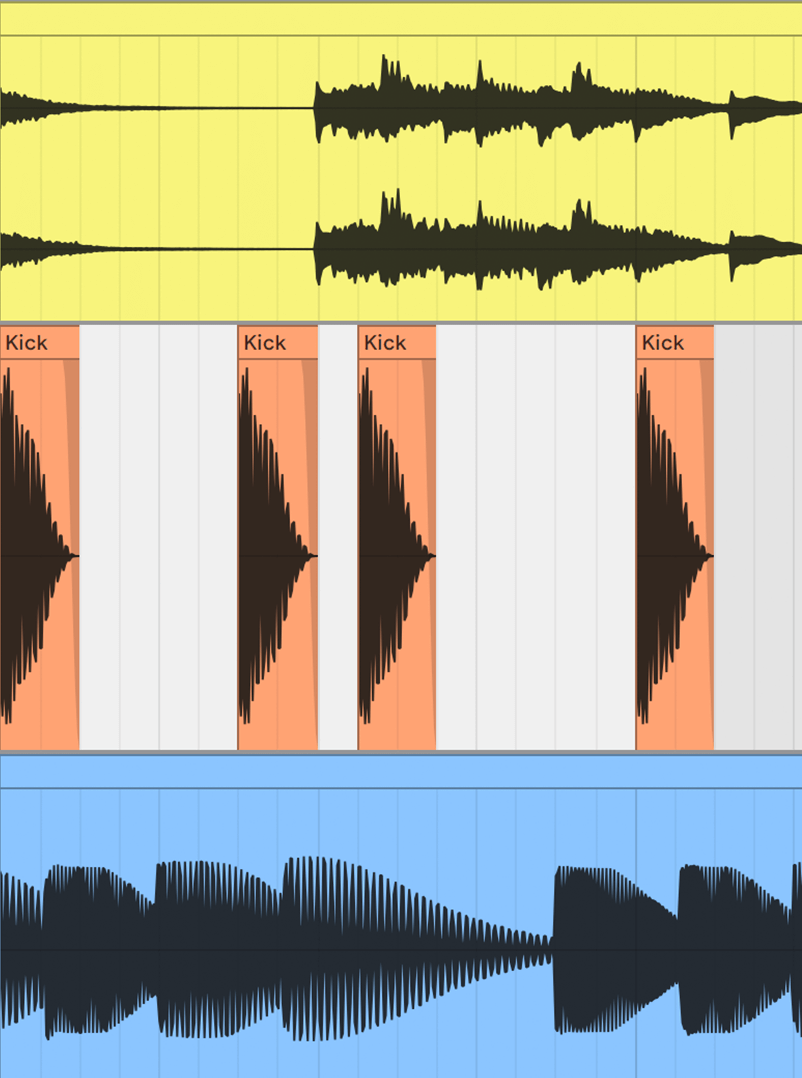
Easily duck only the lows of your bassline – the pros’ secret trick for tight bass with full frequencies
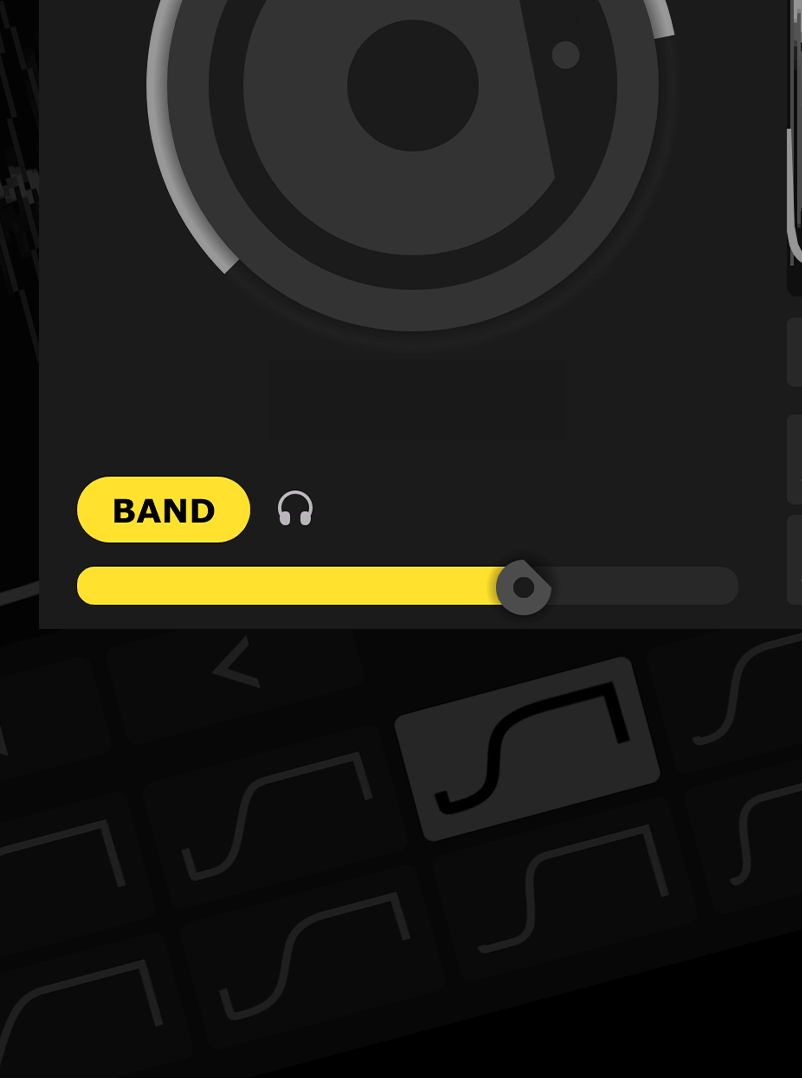
See kick and bass waveforms on the same display – get your lows locked tight like never before
"8 Dogs In 1 Day" is a primary feature associated with the specific series " Stray-X: The Record Part 1
Traditionally, veterinary science has focused on pathophysiological mechanisms—cellular and systemic dysfunction. However, a paradigm shift is occurring: behavior is now recognized not merely as a symptom of disease, but as a critical vital sign, a diagnostic filter, and a determinant of treatment efficacy and animal welfare. This paper explores the deep, bidirectional relationship between animal behavior and veterinary practice. It argues that ethology (the science of animal behavior) is no longer an ancillary field but a core clinical competency. We examine (1) how behavioral changes serve as early biomarkers for organic disease, (2) how the understanding of learning theory transforms patient handling and reduces iatrogenic stress, (3) the role of the veterinary environment in shaping behavioral pathology, and (4) the emergence of behavioral pharmacology as a bridge between mental state and physical health. Finally, we propose a new clinical model: the behavior-centered veterinary examination.
Not all behavioral problems are secondary to medical issues. True behavioral disorders—separation anxiety, compulsive disorders (tail chasing, flank sucking), inter-cat aggression—have neurobiological underpinnings similar to human psychiatric conditions. Veterinary science has moved from “punish the behavior” to psychopharmacology + behavior modification.
Strayx: The mention of a specific dog named Strayx suggests that Strayx could be a part of a story, campaign, or educational series within or related to Zooskool. Stray dogs are often in need of care, adoption, and education about their well-being and integration into families.
Positive Reinforcement: Research shows that positive reinforcement is the most effective and ethical method for behavior modification, supported by veterinary behaviorists for its ability to reduce cortisol levels and improve the human-animal bond.
Title: The Indispensable Interface: Integrating Ethology into Modern Veterinary Practice Authors: [Your Name/Group] Date: October 26, 2023 Subject: Veterinary Medicine / Animal Behavior Science
As we explore Animal Dog 006's story through the Zooskool and Strayx the Record partnership, we find ourselves at the beginning of their incredible journey. Part 1/8 of their story sets the stage for the challenges and triumphs that lie ahead.
When an animal experiences fear, the hypothalamic-pituitary-adrenal (HPA) axis is activated, releasing catecholamines (adrenaline) and glucocorticoids (cortisol). This "fight or flight" response has immediate clinical consequences: