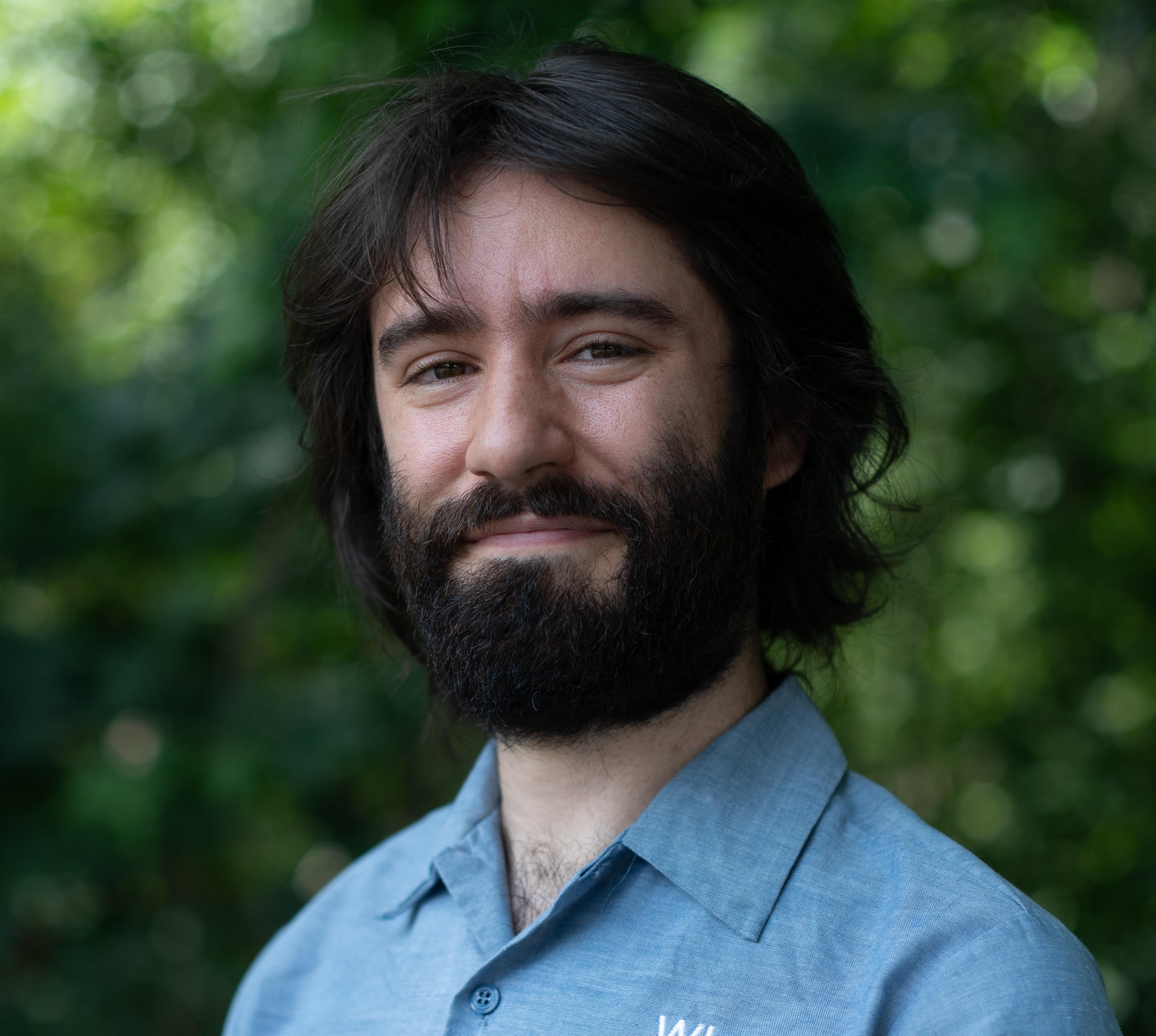
Josu Elberdin Upd | Ave Maria Gratia Plena
The rain in Donostia fell not in drops, but in sheets, a gray curtain drawn across the mouth of the Urumea River. Inside the Church of Santa Maria, however, the air was dry and thick with the scent of burnt wax and old wood.
On his first night back, the bells summoned him. Inside the church, the choir was smaller but the hymn had the same old gravity. When they reached "gratia plena," Josu felt his chest give way to something soft and enormous, like warm bread breaking. Faces in the pews lifted toward the choir as if each note were an answering hand. He saw his mother’s photograph on the altar — she had died the winter he left — and beside it the small brass key he’d left under a loose tile before he went away. He had meant to return; work, deadlines, the slow drift of city life had deferred him. In the hymn’s cadence he found both apology and forgiveness braided together. ave maria gratia plena josu elberdin
Here’s a original text inspired by “Ave Maria, gratia plena” in the style of Josu Elberdin (known for his lush, luminous, and neo-Renaissance choral writing with evocative harmonies): The rain in Donostia fell not in drops,
Ave Maria, gratia plena,
Dominus tecum.
Benedicta tu in mulieribus,
Et benedictus fructus ventris tui, Jesus. Inside the church, the choir was smaller but
The Ave Maria, also known as the Hail Mary, is one of the most recognizable and beloved prayers in the Catholic tradition. Its roots are biblical, and its significance is multifaceted. This article aims to explore the Ave Maria, focusing on its scriptural origins, its evolution, and its theological implications, particularly in light of the phrase "gratia plena," which translates to "full of grace."