
Ultimate Cricket tracking and scoring app for all cricketers.
Track and improve your game with the Vtrakit app right from your
smartphone or tablet. Bring your game to the next level with
Vtrakit!
Vtrakit is about helping Cricketers bring
together their passion, practice and performance.

Vtrakit’s mobile-based app is designed to be user friendly so that anyone can start using it to score games, capture cricketing stats and practice sessions. You could be playing village Cricket, gully Cricket, club Cricket or professional Cricket - you can use Vtrakit to improve your performance, elevate your game and experience Cricket in a whole new way.
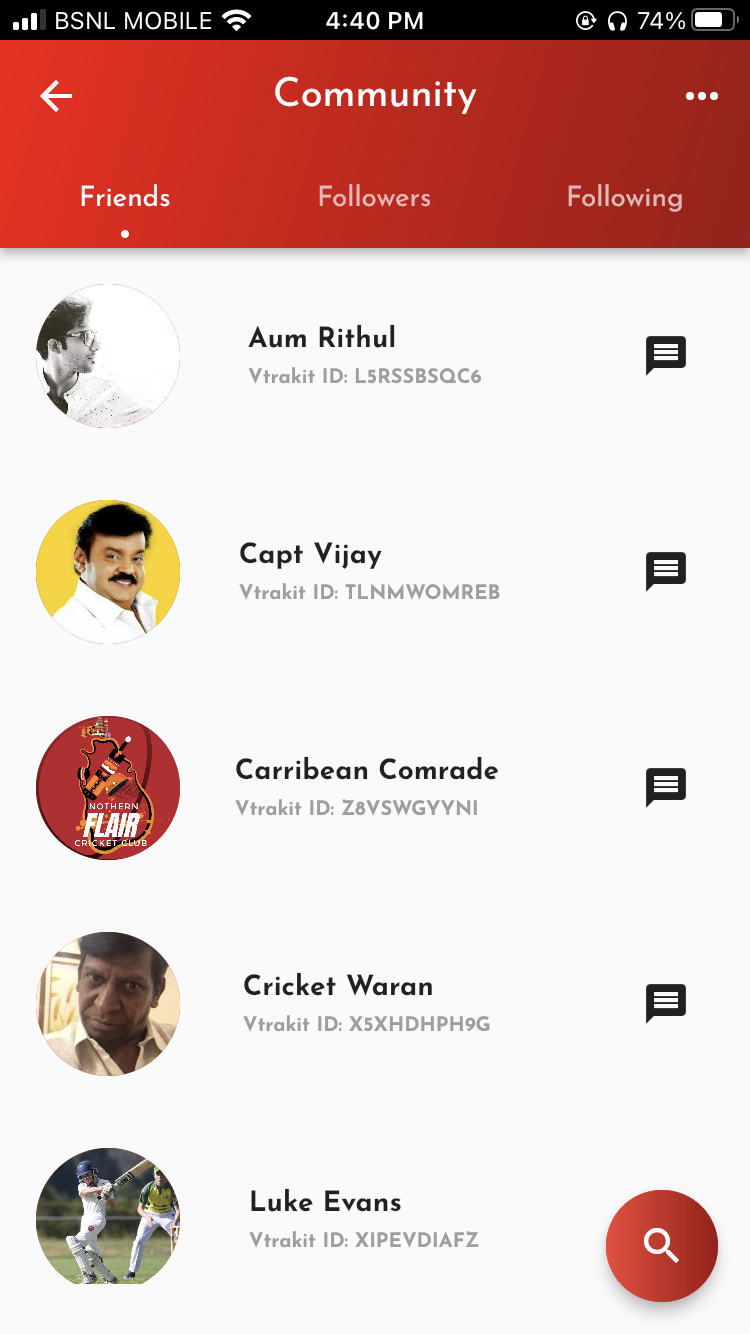
Vtrakit App is full of unique features that you can explore to transform your cricketing experience. In addition to scoring games and keeping track of your Cricket stats, you can also connect to other players, capture your practice sessions and create tournaments. Watch the video to get a sneak preview of the Vtrakit App.

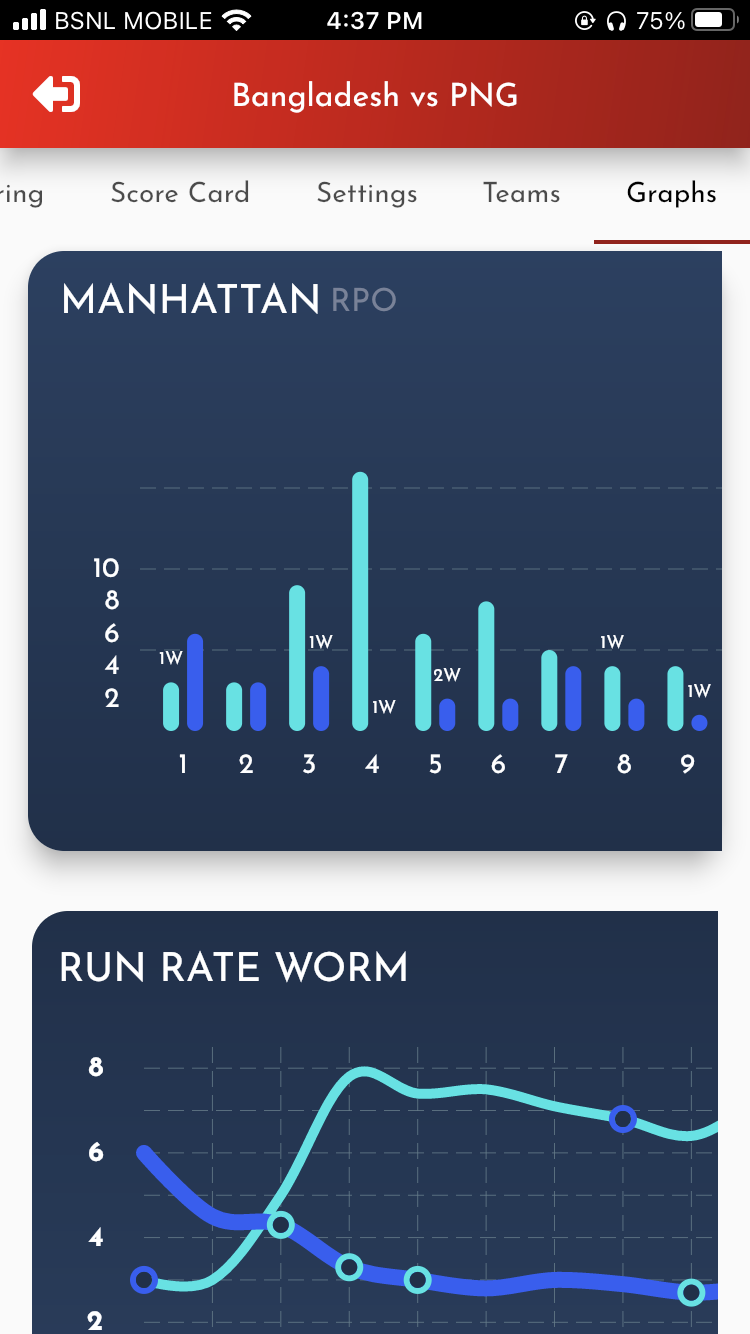
Live capture ball-by-ball score of your match with the Vtrakit App & download your scorecard in PDF

Organize tournaments, schedule matches, see tournament stats, points table and much more

Scoring no longer has to fall to one person, transfer scoring to another user during a match within seconds

Relive your shots and deliveries with Pitch Map and Wagon Wheel

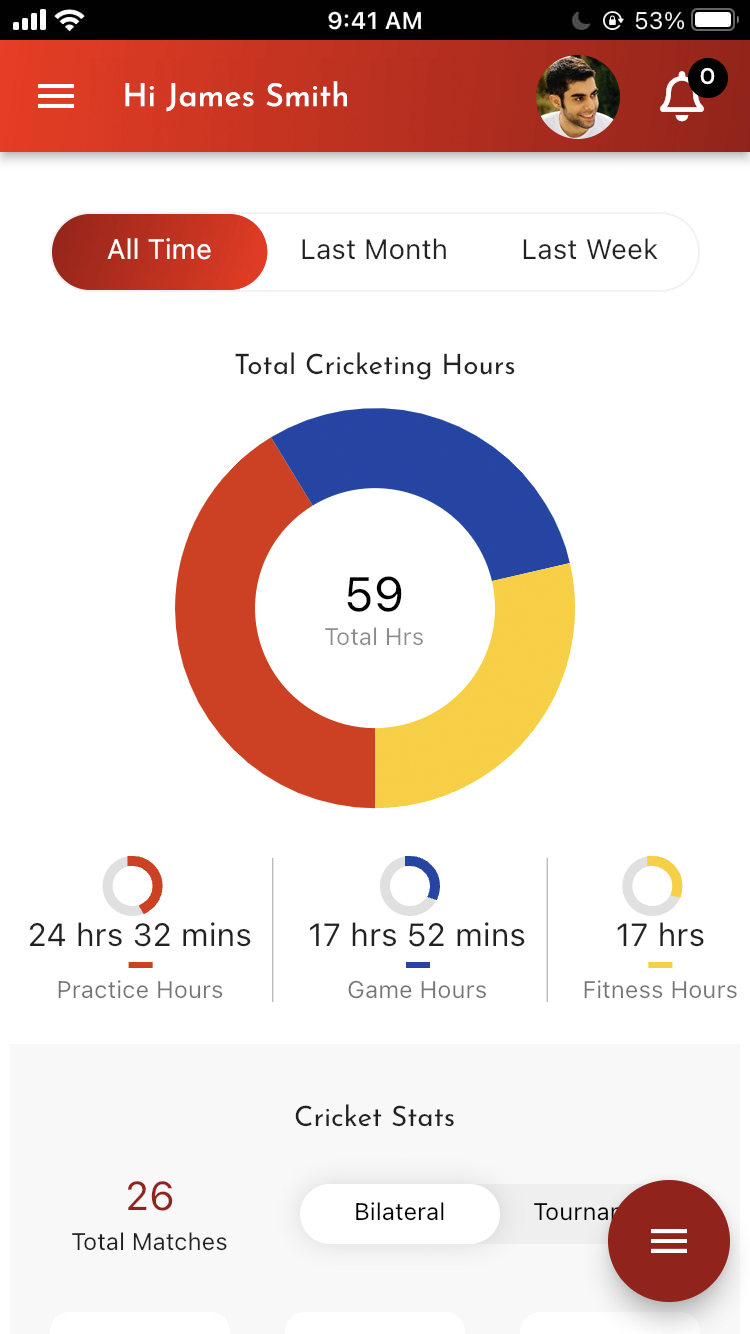
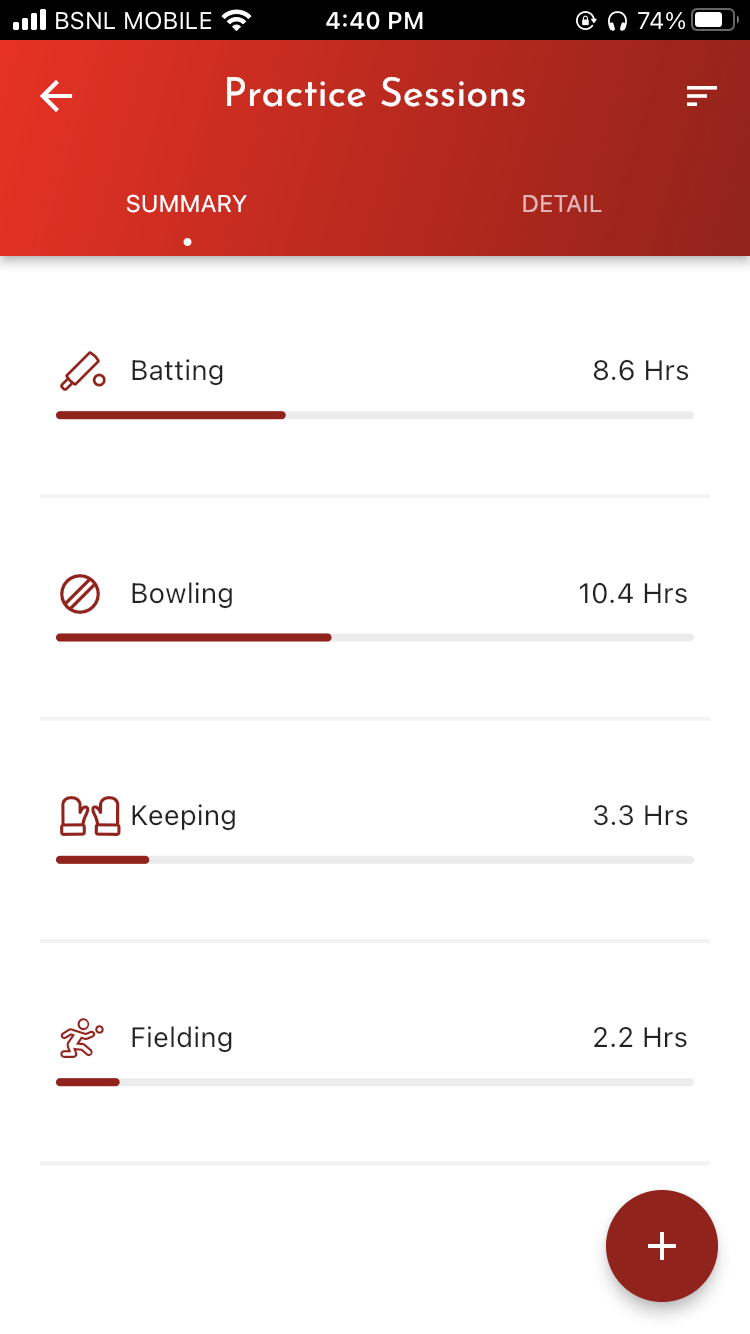
Track all your practice hours (batting, bowling, fielding and wicket keeping) by capturing it

You can log your fitness hours and see your progress in real-time.
This guide explores the cinematic landscape surrounding the theme of the "first night" and the cultural symbol of the saree, particularly through the lens of independent South Asian and diaspora filmmaking. Notable Independent Films
Impact on Audience: For some viewers, these scenes can enhance the narrative by adding layers of realism or by evoking strong emotions. For others, they might seem out of place or overly explicit.
In summary, the use of the saree in specific cinematic contexts reflects an intersection of cultural identity and visual marketing. These scenes are often constructed using a highly codified visual language that relies on traditional clothing to communicate narrative themes. This guide explores the cinematic landscape surrounding the
: The saree is utilized as a tool for "hyper-eroticism," often focusing on specific areas like the navel (midriff) to capitalize on traditional Indian standards of beauty and "tantalizing" curvature. Traditional Rituals as Lead-ins : Scenes often incorporate rituals like the "face reveal" ( muh dikhai
Sensory Storytelling: Independent filmmakers like RGV use meticulous sound design—such as the rustle of fabric—to heighten sensuality and atmosphere without relying on overt mainstream commercial tactics. In summary, the use of the saree in
The success of these scenes in B-grade cinema lies in their ability to blend traditional aesthetics with overt sensuality. By focusing on the midriff and the intricate draping of the saree, filmmakers create a signature visual style that remains a staple of the industry’s low-budget erotic-thriller and romantic-drama segments.
Would you like to add or change anything? Traditional Rituals as Lead-ins : Scenes often incorporate
The target audience for these films is often young adults, particularly men, who are drawn to the promise of explicit content. The makers of these movies bank on the idea that the audience will be attracted to the scene, and subsequently, the film. This approach has been criticized for objectifying women and reinforcing stereotypes about their roles in society.
| Mistake | Fix | |---------|-----| | Treating every film as sacred | It's okay to say a film is poorly draped (messy editing, pretentious). | | Over-romanticizing poverty or trauma in indie films | Name it: "This film uses suffering as aesthetic." | | Forgetting your own cultural position | State briefly: "I watch as a non-Bengali viewer of a Bengali film." |




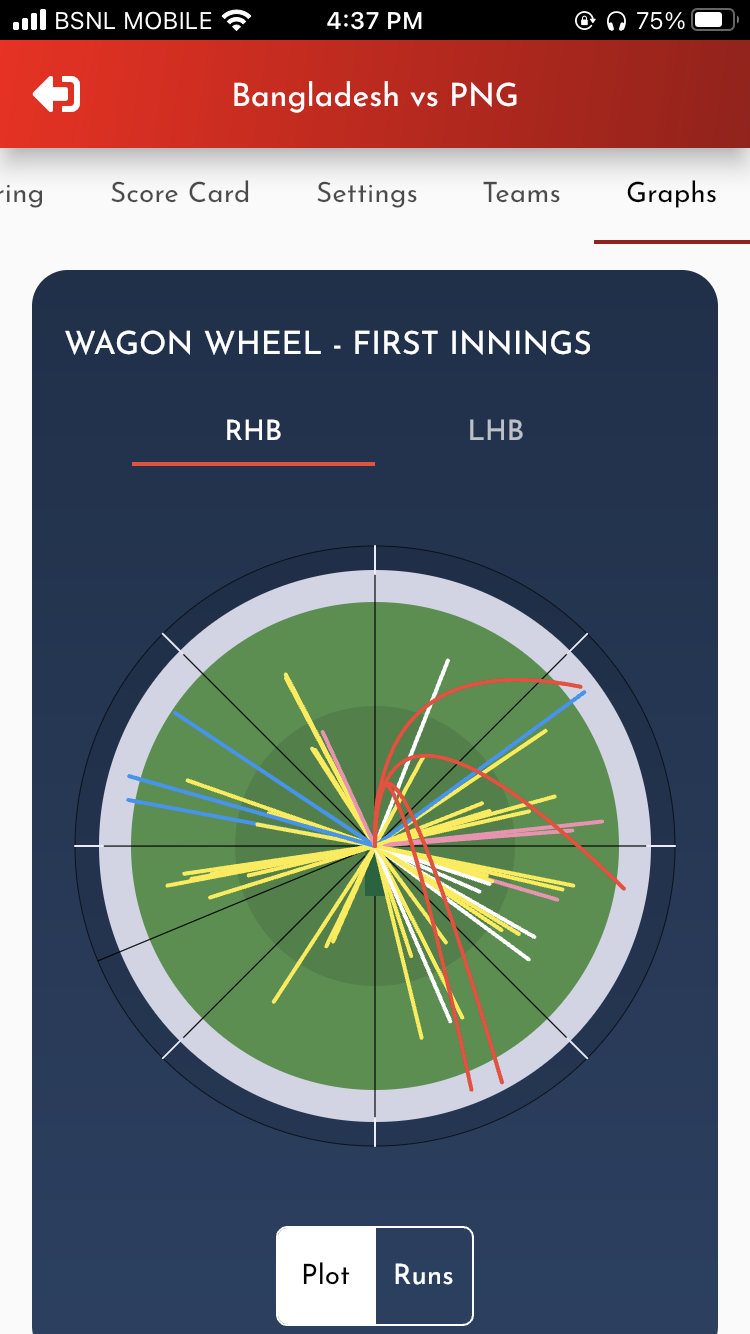
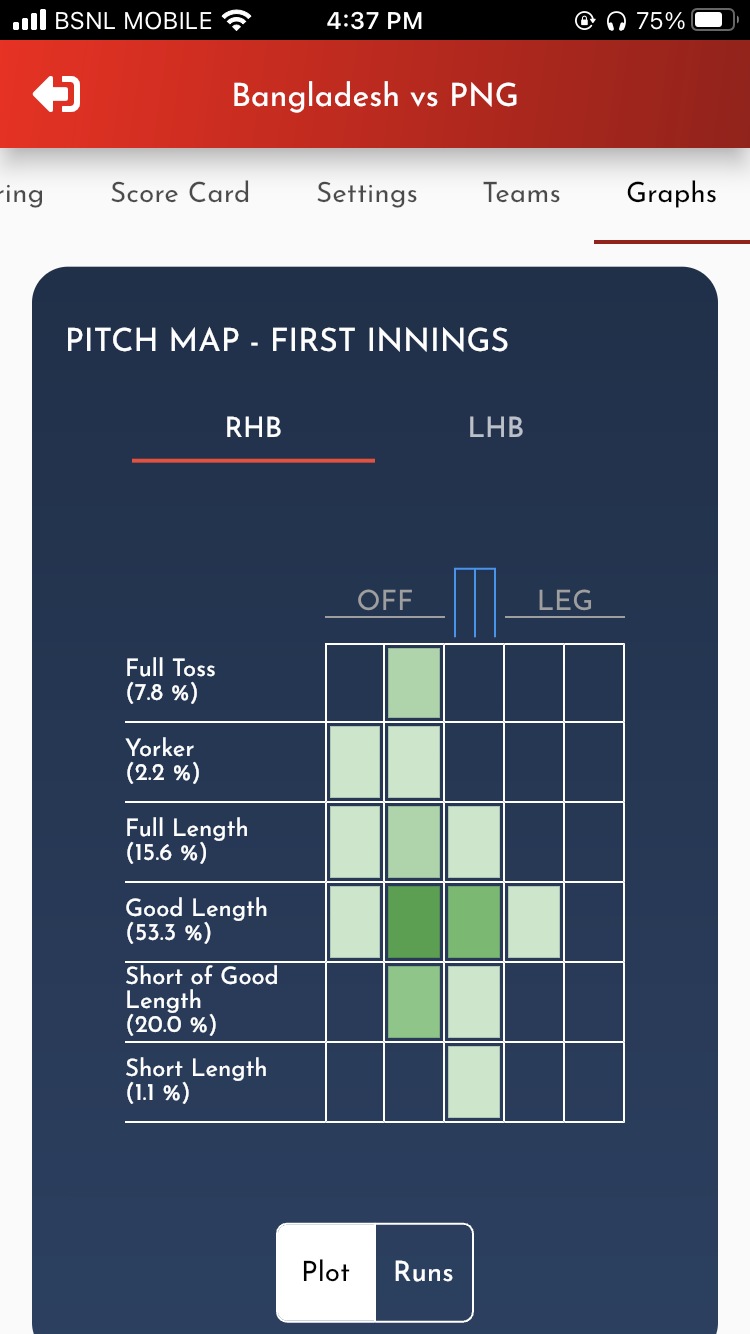
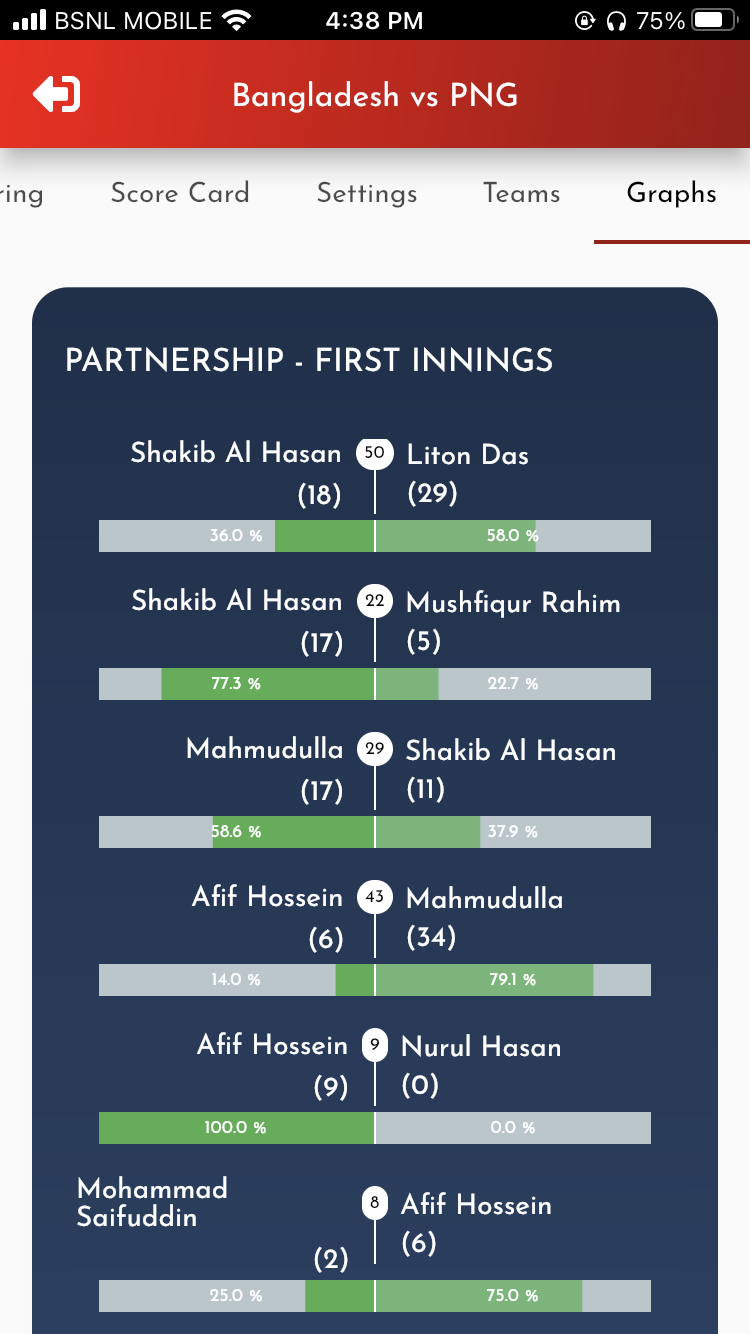
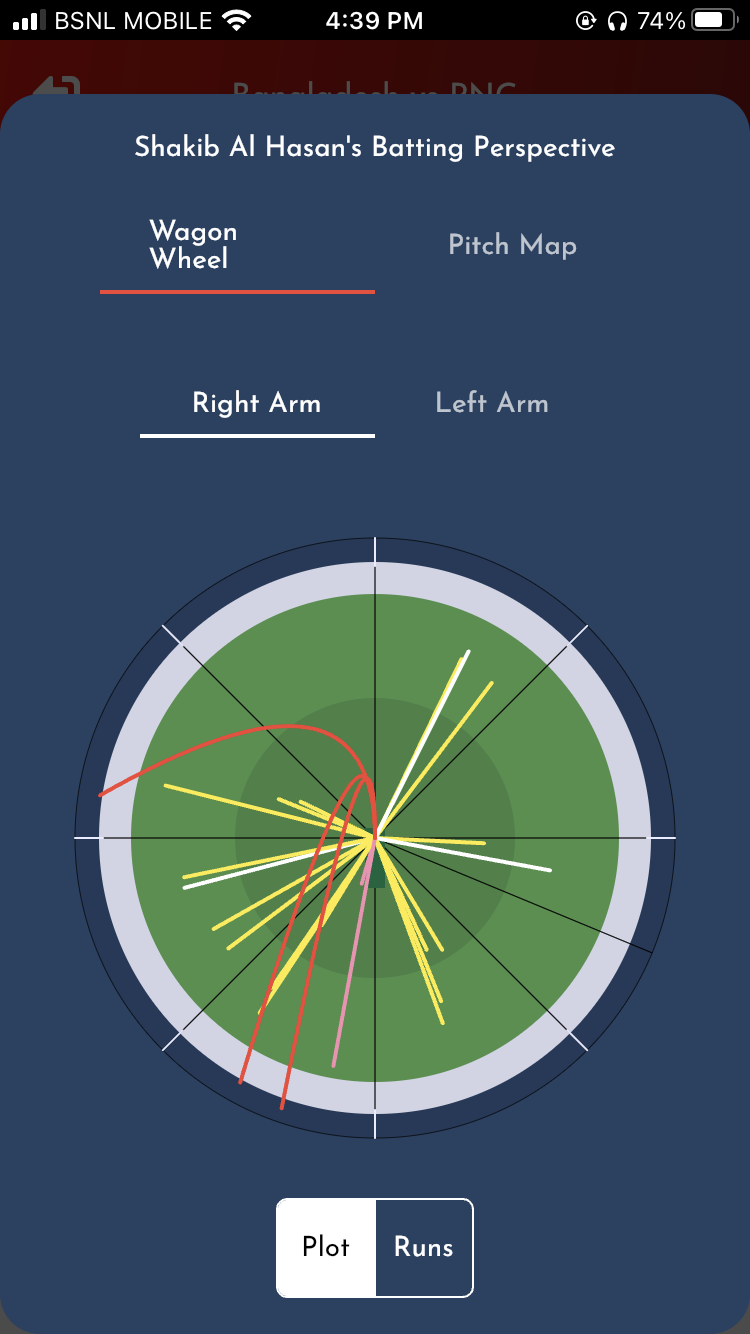
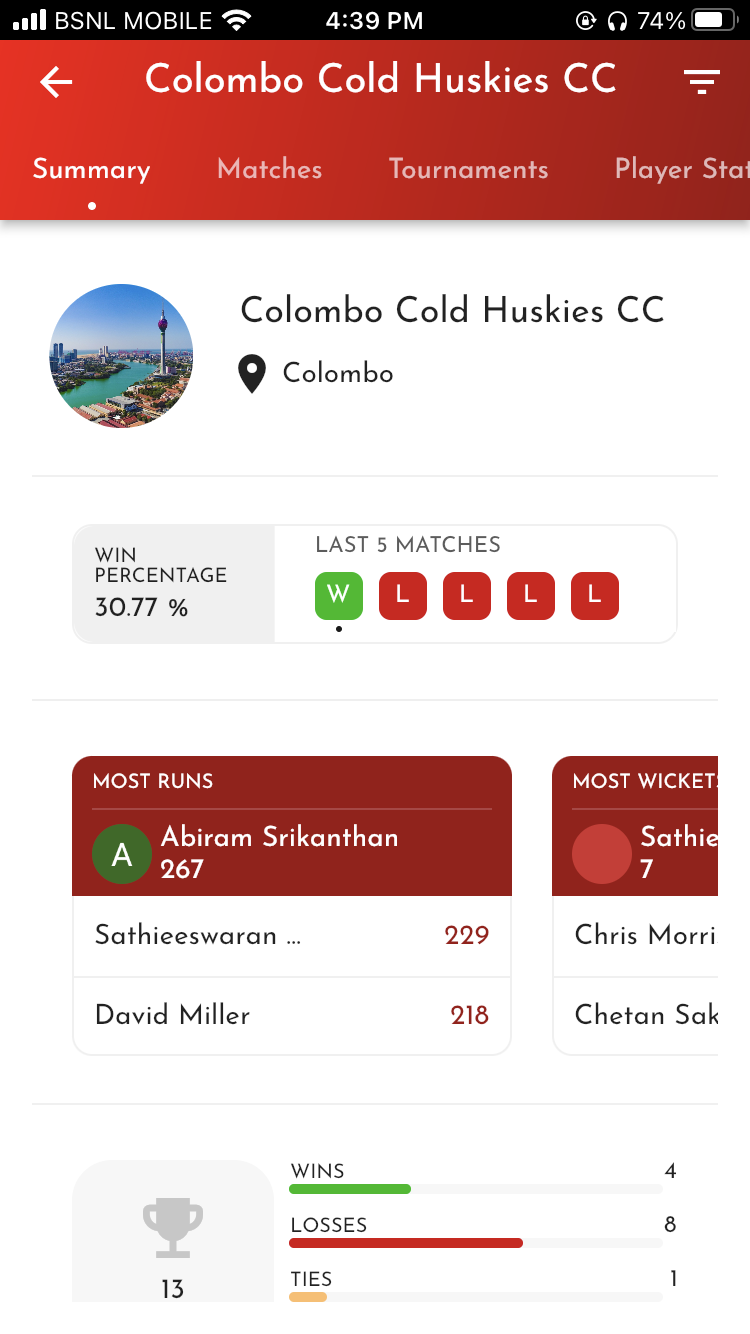
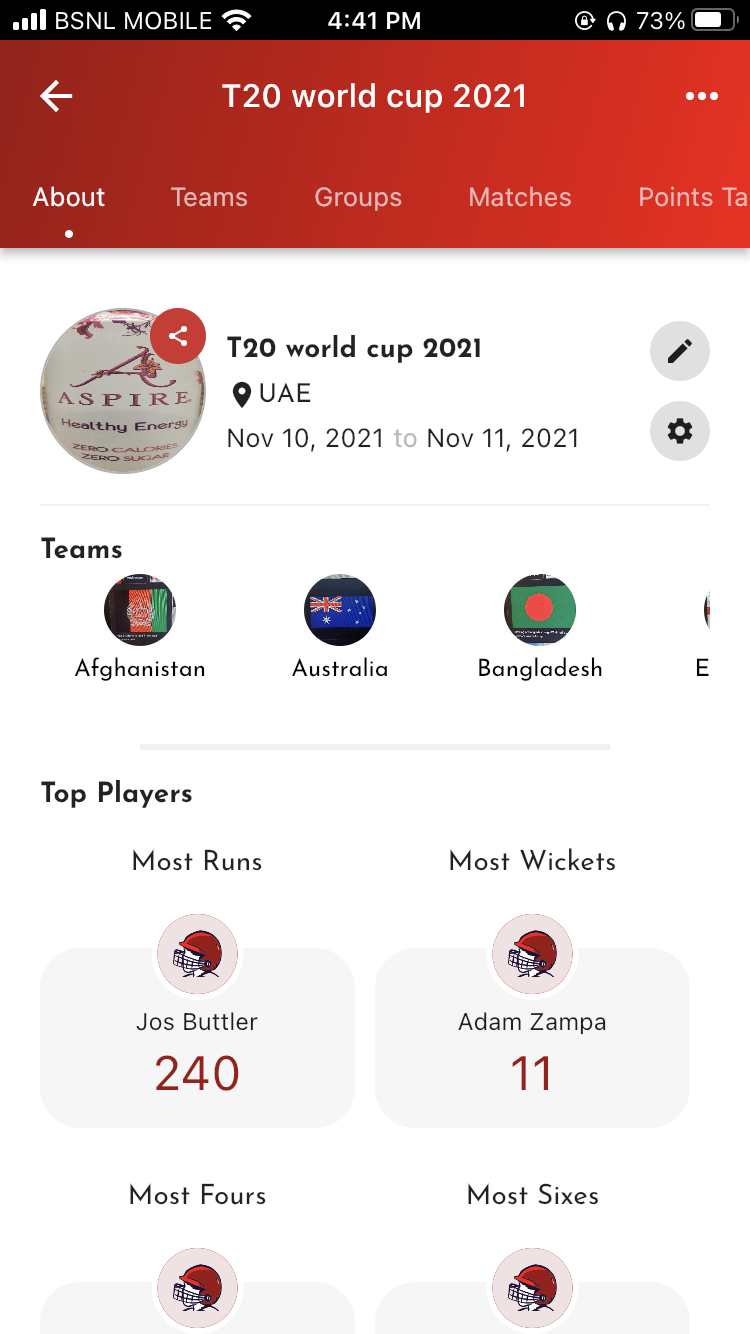
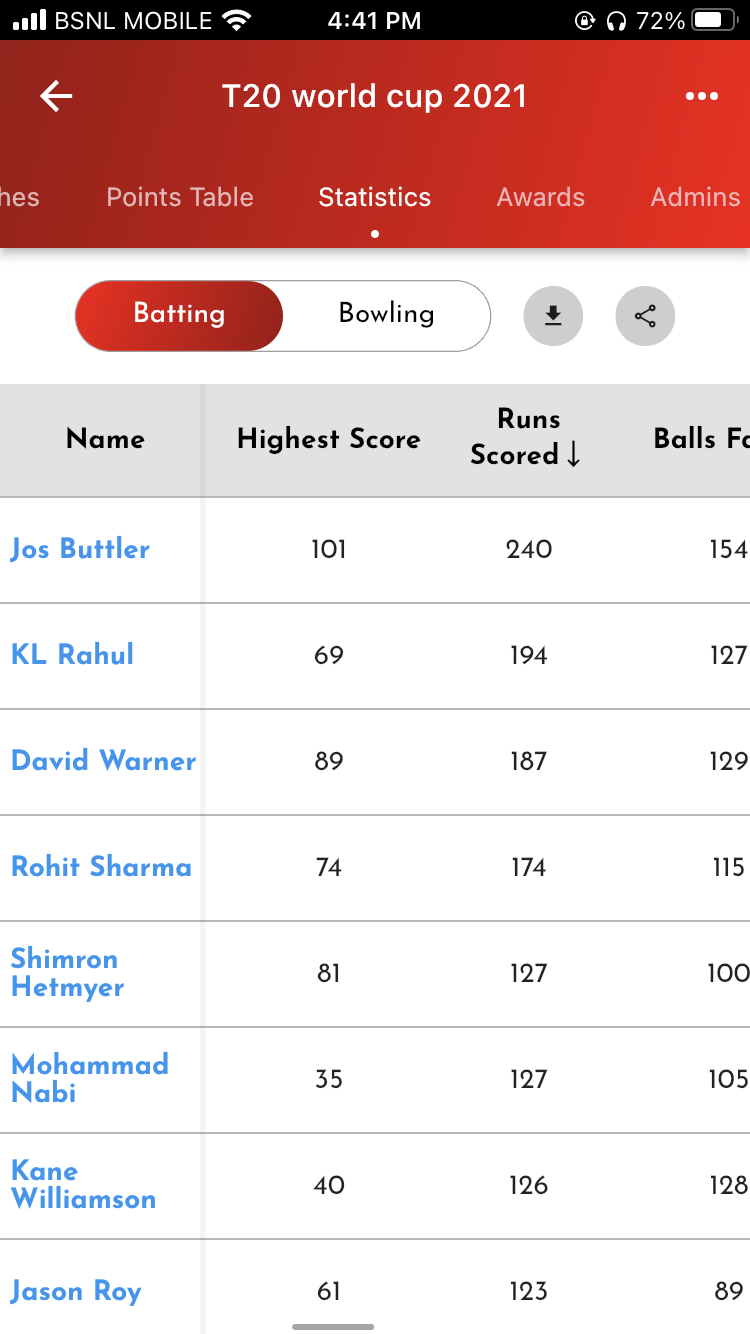
We are Vtrakit. We are about capturing and tracking every aspect of your game to help you make YOUR Cricket Count! Have a look at some of our exciting features.
This guide explores the cinematic landscape surrounding the theme of the "first night" and the cultural symbol of the saree, particularly through the lens of independent South Asian and diaspora filmmaking. Notable Independent Films
Impact on Audience: For some viewers, these scenes can enhance the narrative by adding layers of realism or by evoking strong emotions. For others, they might seem out of place or overly explicit.
In summary, the use of the saree in specific cinematic contexts reflects an intersection of cultural identity and visual marketing. These scenes are often constructed using a highly codified visual language that relies on traditional clothing to communicate narrative themes.
: The saree is utilized as a tool for "hyper-eroticism," often focusing on specific areas like the navel (midriff) to capitalize on traditional Indian standards of beauty and "tantalizing" curvature. Traditional Rituals as Lead-ins : Scenes often incorporate rituals like the "face reveal" ( muh dikhai
Sensory Storytelling: Independent filmmakers like RGV use meticulous sound design—such as the rustle of fabric—to heighten sensuality and atmosphere without relying on overt mainstream commercial tactics.
The success of these scenes in B-grade cinema lies in their ability to blend traditional aesthetics with overt sensuality. By focusing on the midriff and the intricate draping of the saree, filmmakers create a signature visual style that remains a staple of the industry’s low-budget erotic-thriller and romantic-drama segments.
Would you like to add or change anything?
The target audience for these films is often young adults, particularly men, who are drawn to the promise of explicit content. The makers of these movies bank on the idea that the audience will be attracted to the scene, and subsequently, the film. This approach has been criticized for objectifying women and reinforcing stereotypes about their roles in society.
| Mistake | Fix | |---------|-----| | Treating every film as sacred | It's okay to say a film is poorly draped (messy editing, pretentious). | | Over-romanticizing poverty or trauma in indie films | Name it: "This film uses suffering as aesthetic." | | Forgetting your own cultural position | State briefly: "I watch as a non-Bengali viewer of a Bengali film." |