Horary Numerology As Applied To Cotton Market Pdf Extra Quality (Verified Source)

Compatibility:

horary numerology as applied to cotton market pdf

OptiFDTD

70 MB

Below are popular user links:

FDTD Publications
FDTD Videos
FDTD Features
FDTD Tutorials

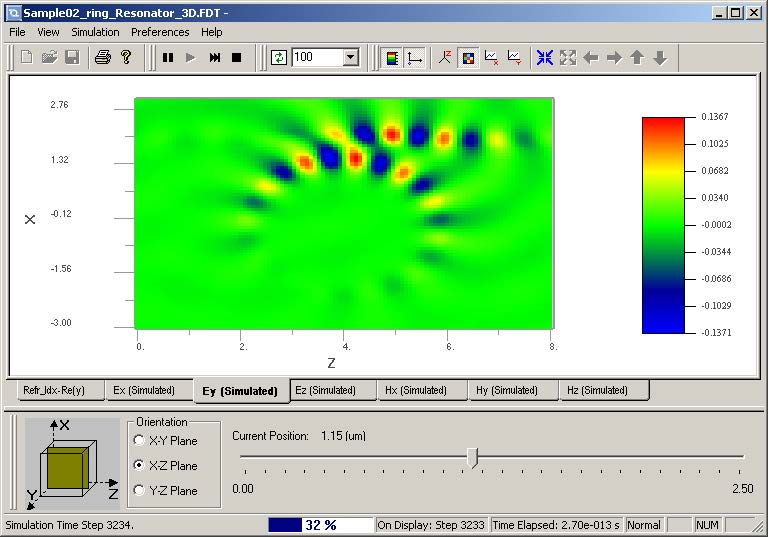
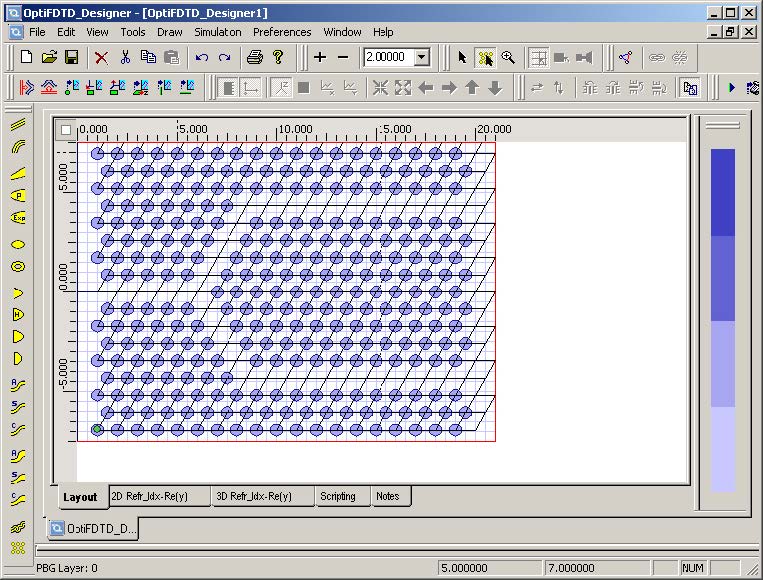
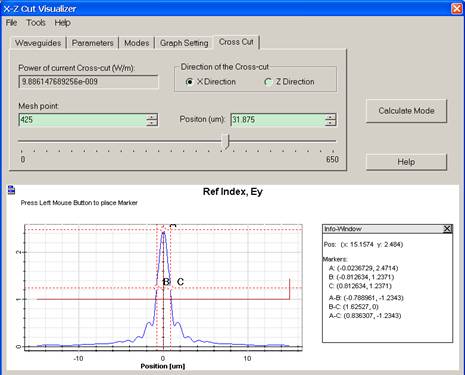
OptiFDTD enables you to design, analyze and test modern passive and nonlinear photonic components for wave propagation, scattering, reflection, diffraction, polarization and nonlinear phenomena. The core program of OptiFDTD is based on the Finite-Difference Time-Domain (FDTD) algorithm with second-order numerical accuracy and the most advanced boundary conditions – Uniaxial Perfectly Matched Layer (UPML).

The algorithm solves both electric and magnetic fields in temporal and spatial domain using the full-vector differential form of Maxwell’s coupled curl equations. This allows for arbitrary model geometries and places no restriction on the material properties of the devices.

Applications

  • Surface Plasmon Resonance (SPR)
  • Photonic band gap materials and devices
  • Nano-particles, and tissue cells
  • Diffractive micro-optics elements and lenses
  • Complex integrated optics structures
  • Nonlinear materials, dispersive materials
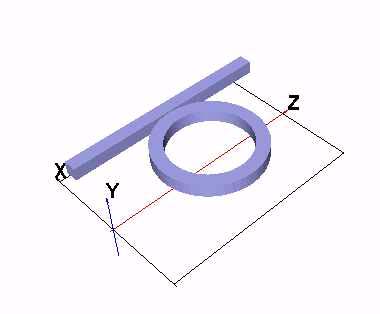
  • Optical micro-ring filters and resonators
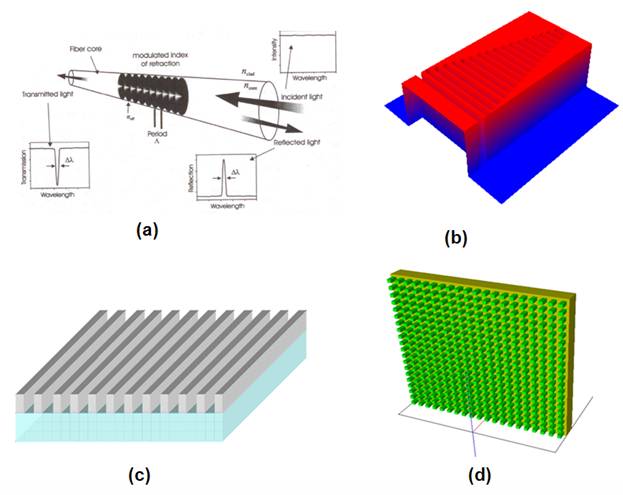
  • Grating based waveguide structures
  • Electromagnetic phenomena


Interface with Popular DesignTools
  • Code V
  • Zemax

Feel free to browse our FDTD gallery (click to enlarge):
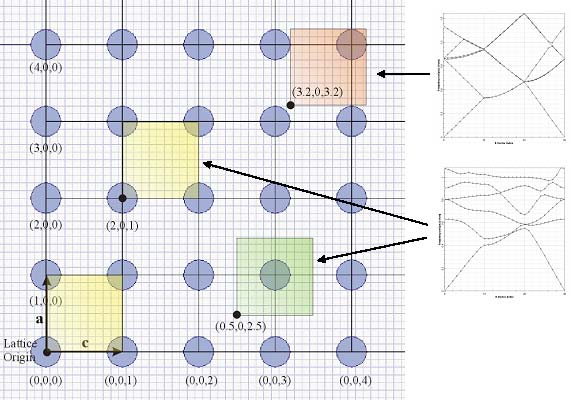
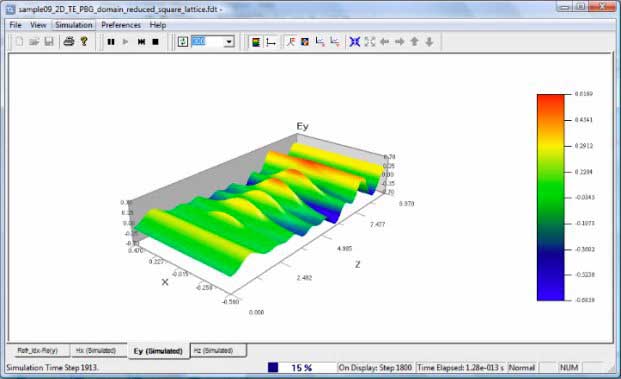
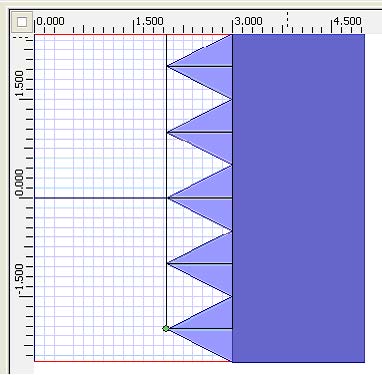
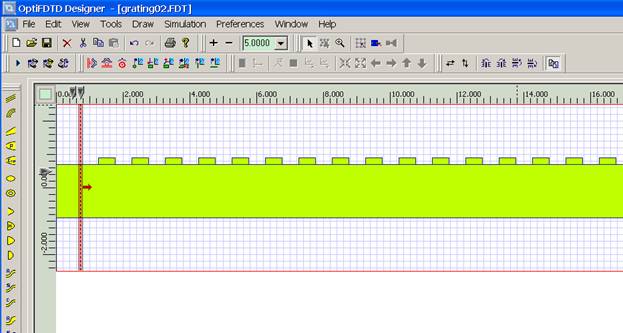
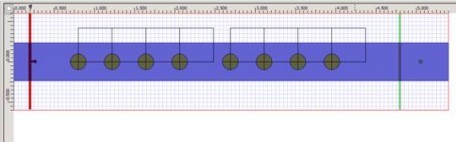
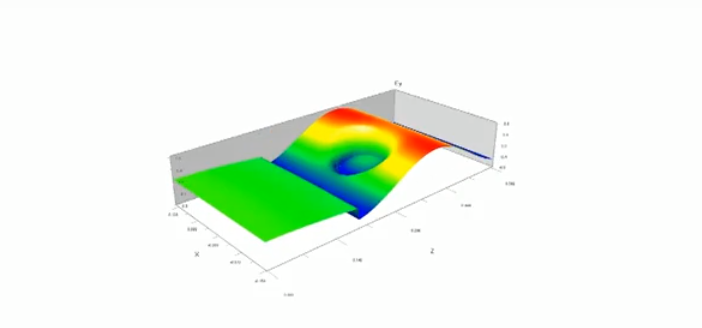
     FDTD - Figure 3 Inversion Symmetry and Domain Origin FDTD - 3D Wave propagation

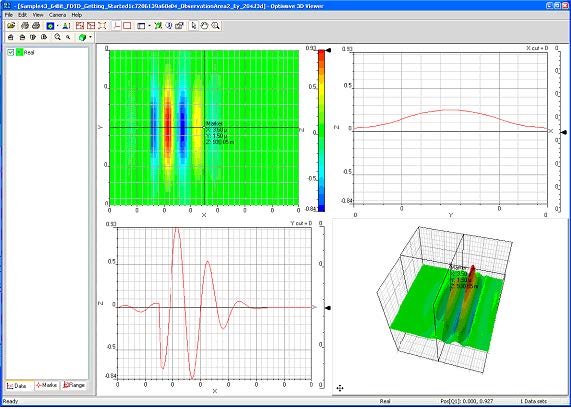
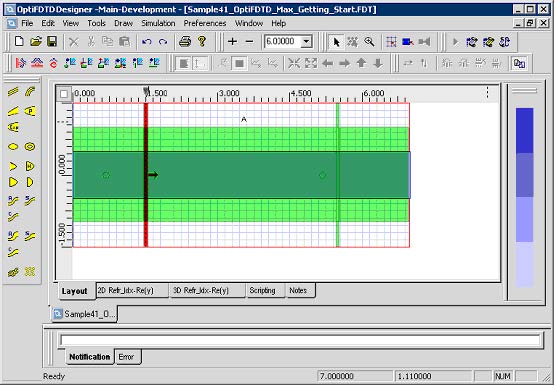
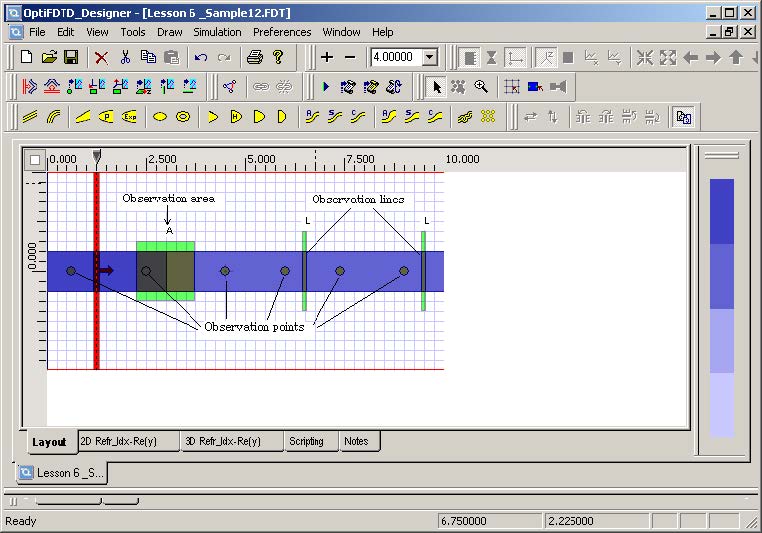
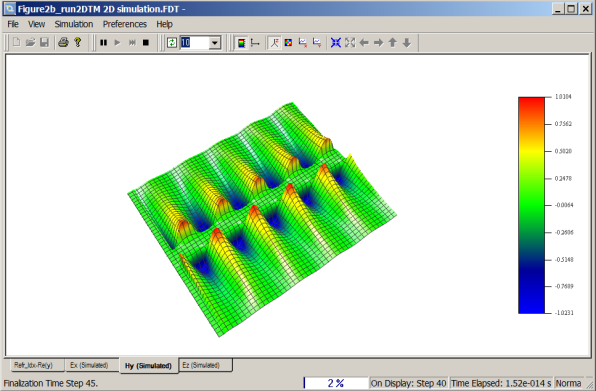
FDTD - Figure 8 The time domain snapshot observed in 3D Viewer from observation area 2FDTD - Figure 5 Layout

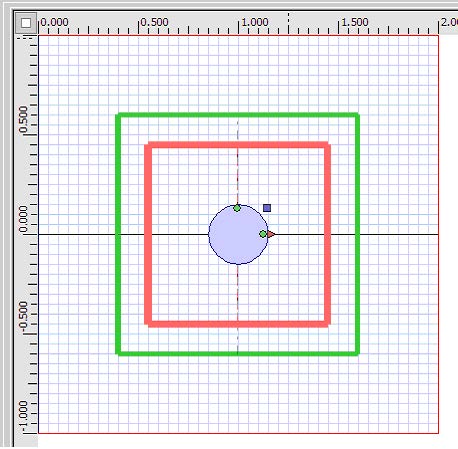
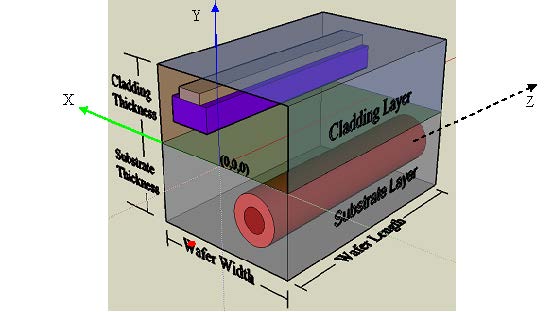
FDTD - Figure 16 Elliptic waveguide in the TFSF regionFDTD - Figure 2 Layout in OptiFDTD

FDTD - Figure 10 Observation components of projectFDTD - Selected Grating layout

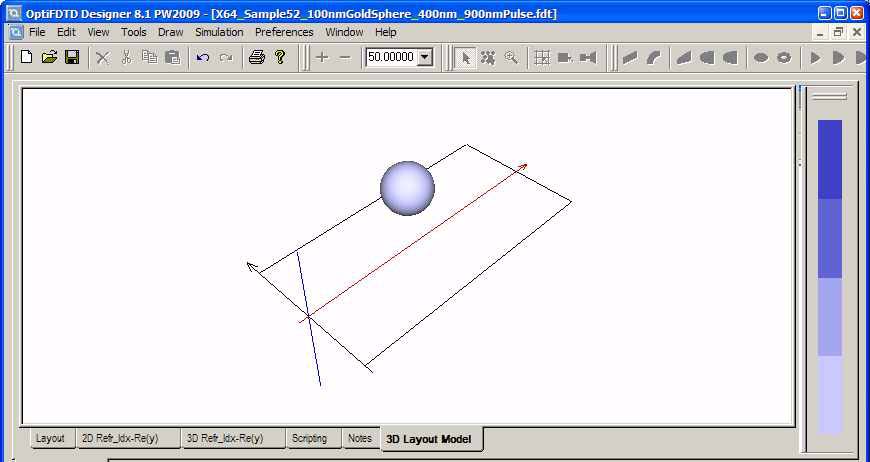
FDTD - Figure 2 Example LayoutFDTD - Figure 1 3D layout mode for sphere

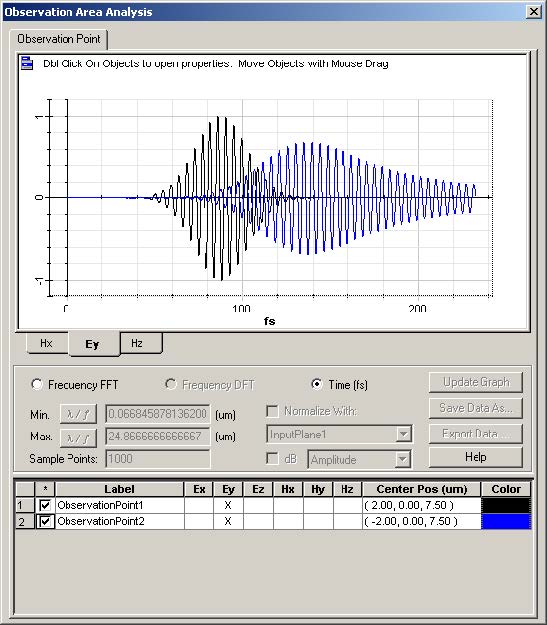
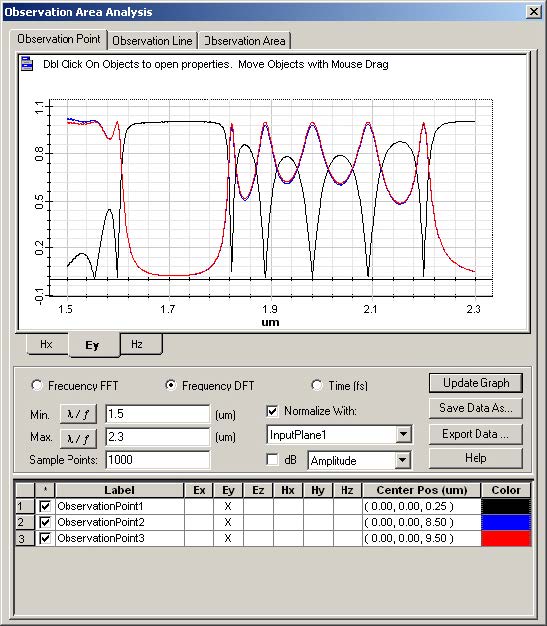
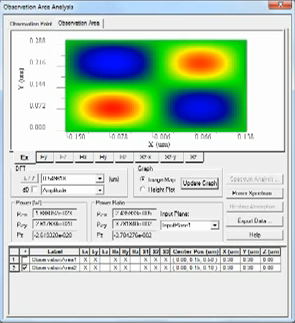
  FDTD - Observation Area Analysis dialog box FDTD - Figure 106 Observation Area Analysis dialog box

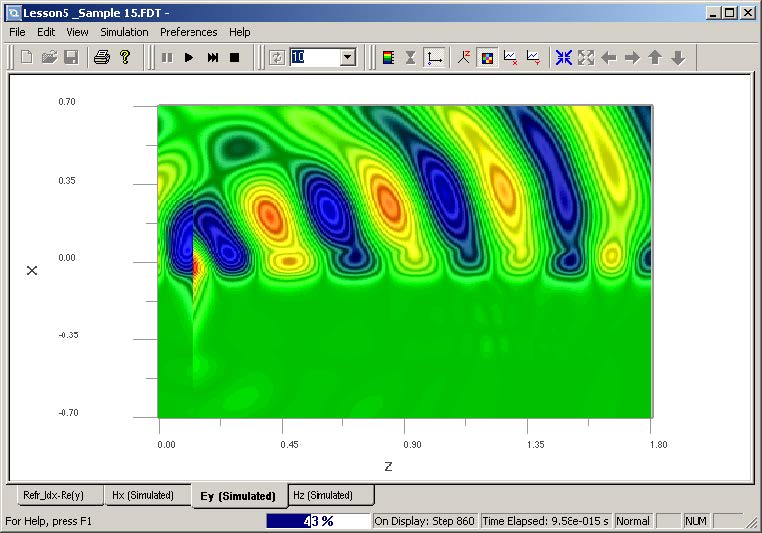
FDTD - Figure 5 OptiFDTD_Simulator FDTD - Figure 40 3D Simulation results

FDTD - Figure 95 PBG layout with new wavepath FDTD - Figure 18 3D Layout

FDTD - Beam size measurement in OptiFDTD(b)

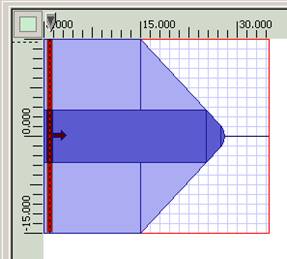
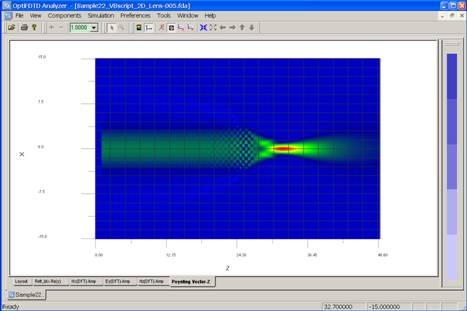
FDTD - Poynting vector for Fiber lens  FDTD - Surface wave propagation model

FDTD - Power transmission ratios and normalised powersFDTD - Near field in slice viewer

FDTD - Photonic Crystal Layout FDTD - Diffraction Grating 3D Layouts

Layout in OptiFDTD  Directional grating Coupled waveguide in OptiFDTD

Layout in OptiFDTD  FDTD - Nanoparticle plane wave and the nanoparticle intensity

Related:

Horary Numerology As Applied To Cotton Market Pdf Extra Quality (Verified Source)

Horary numerology as applied to the cotton market is a specialized predictive system originally popularized by the author Rasajo. It merges the principles of Horary Astrology (casting a chart for the moment a question is asked) with Numerology to forecast price swings in the commodity market. Key Source: "Horary Numerology as Applied to Cotton Market"

Feature 1: "The Cotton Clock" – Time-to-Number Conversion Chart

A core feature for horary numerology is converting the exact moment a trader asks a question (e.g., "Will cotton prices break resistance today?") into a numerological value. horary numerology as applied to cotton market pdf

  • Reduce question date: 2+0+2+6+0+4+0+1 = 15 → 1+5 = 6 (stability, commercial matters).
  • Target date reduction: 2+0+2+6+0+5+1+5 = 21 → 2+1 = 3 (movement, growth).
  • Interpretation: transition from stability to movement suggests a likely upward swing toward target, but expect active volatility as 3 implies change.

I should also mention that this is an unscientific approach but might be used in certain alternative contexts. It's important to advise caution and recommend traditional market analysis as well. Including a disclaimer about the speculative nature of the practice could be necessary. Horary numerology as applied to the cotton market

Horary numerology as applied to the cotton market is a specialized forecasting method that combines Horary astrology principles with numerical analysis to predict short-term price movements. This approach was famously popularized by traders like W.D. Gann, who utilized mathematical "vibrations" and geometric cycles to navigate the extreme volatility of agricultural commodities. Core Principles of Horary Numerology Reduce question date: 2+0+2+6+0+4+0+1 = 15 → 1+5

She picked up a marker. "You are thinking of entering a short position. You believe the price will crash. But you are afraid of a 'limit up' move.

Price Calculations: Traders may use the numerological value of the current cotton price to determine if the market has reached a "vibrational" limit or turning point. 🛠️ Step-by-Step Predictive Process Applied To Cotton Market Pdf - Horary Numerology As