Women's Top 25: An Ivy Debut and a Big Question Mark
Dec 8: Key wins by USC and Nebraska shake up the leaderboard. Ole Miss slides in the midst of an identity crisis. An Ivy League squad joins the Top 25.
In the neon-lit labyrinth of Shibuya, the quiet tatami mat rooms of Kyoto, or the suburban sprawl of Saitama, a powerful cultural engine is humming. It is not powered by the corporate giants of the past, but by the thumbs, screens, and boundless creativity of the Japanese teen. To understand modern global pop culture, one must first understand the Japanese teenager’s relationship with entertainment content and popular media. They are no longer just consumers; they are curators, critics, and creators, sitting at the intersection of tradition and hyper-modernity.
What does the next 24 months look like for the Japanese teen? hot japanese teen sex with neighbour xxx 96 jav
The Japanese teen is the world’s most sophisticated media omnivore. They do not just watch Demon Slayer; they analyze the Ufotable rendering budget. They do not just listen to Ado; they debate the lyrical deconstruction of societal pressure. They live in a state of "hyper-creation," where every meme, every TikTok transition, and every Twitter thread is a form of entertainment content. The Japanese Teen: Navigating a Galaxy of Entertainment
Quote: "I'm grateful for the opportunities I've had so far, and I'm excited to see what the future holds! I want to inspire my followers to be themselves and have fun, just like I do!" - Rina Nakahara The 2-Channel / 5-Channel Abyss: While Instagram shows
One notable example is the rise of Japanese teen influencers, who have become celebrities in their own right. These young personalities often focus on specific niches, such as beauty, fashion, or gaming, and have built large followings by sharing their expertise and experiences. Some popular Japanese teen influencers include Hikakin, a YouTube personality with over 10 million subscribers, and Rilakkuma, a social media star known for his adorable and laid-back content.
Twenty years ago, a Japanese teen’s media diet was linear: morning variety shows, afternoon manga rentals, evening anime on TV Tokyo. Today, the landscape is a fractal of niches. The keyword here is "tsunagari" (connection). For the modern Japanese teen, entertainment is not a standalone activity but a social adhesive.
Anime remains a cornerstone, but its delivery has evolved. With the rise of streaming services
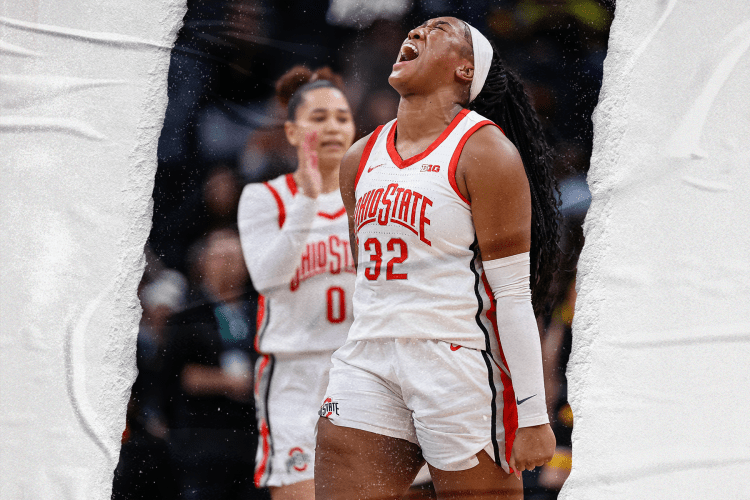
Dec 8: Key wins by USC and Nebraska shake up the leaderboard. Ole Miss slides in the midst of an identity crisis. An Ivy League squad joins the Top 25.

A light slate of games this week offers serious moneymaking potential. Our picks include Penn State at Indiana and Green Bay at IU Indy.
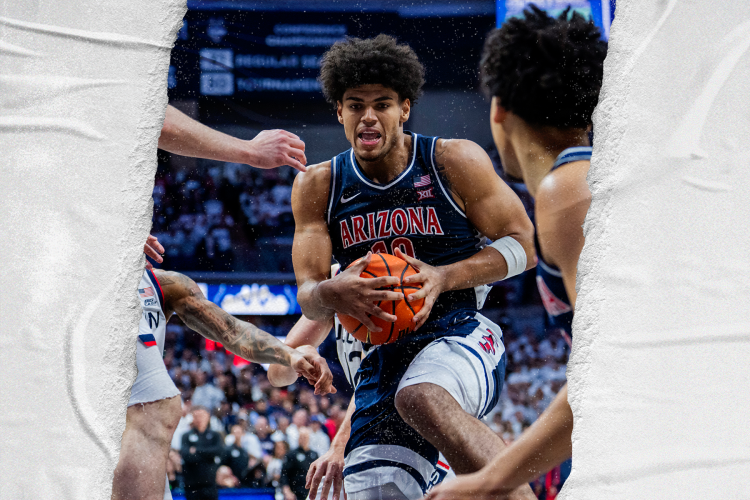
Dec 7: After a thrashing courtesy of Iowa State, Purdue falls from the podium. Michigan and Arizona battle for the top spot and five new teams join the fray.