Ni Labview 2020 Sp1 V20.0.1 -x86-x64- -filecr-

Ni Labview 2020 Sp1 V20.0.1 -x86-x64- -filecr-

Importing tool data in Teamcenter 11.2

NI LabVIEW 2020 SP1 (v20.0.1) is a specialized graphical programming environment. It is widely used by engineers and scientists for data acquisition, instrument control, and industrial automation. Unlike traditional text-based languages like C++ or Python, LabVIEW uses "G" (a dataflow programming language) to visualize system hardware, configuration, and data processing. Core Features and Architecture Graphical Interface: Uses icons and wires to represent logical flow. Dataflow Logic:

NI LabVIEW 2020 SP1 (v20.0.1) — Overview, installer notes, and quick troubleshooting

National Instruments LabVIEW 2020 Service Pack 1 (v20.0.1) is a maintenance release for the LabVIEW 2020 platform that provides bug fixes, compatibility updates, and improvements to installers and runtime components for both x86 and x64 Windows platforms. Below is a concise, practical blog-style guide covering what this release is, installation notes (including common installer switches and the “-FileCR” fragment you included), compatibility considerations, and quick troubleshooting tips.

LabVIEW 2020 SP1 v20.0.1 has a wide range of applications across various industries, including:

Key Features of LabVIEW 2020 SP1 v20.0.1

Quick troubleshooting (common issues & fixes)

  • Installer fails or hangs:

    x86 Version: Essential for users who need to maintain compatibility with older toolkits or specific hardware drivers that haven't transitioned to 64-bit.

    • LabVIEW example VIs for File I/O (use LabVIEW Help → Example Finder)
    • Built-in string and file palettes in the block diagram for quick access
    1. Test and measurement: The software is widely used in test and measurement applications, including data acquisition, signal processing, and instrument control.
    2. Industrial automation: LabVIEW is used in industrial automation applications, including control systems, robotics, and process monitoring.
    3. Scientific research: The software is used in various scientific research applications, including data acquisition, analysis, and simulation.
Interface Description:

1. Searching for tools

1.1. General ToolsUnited search

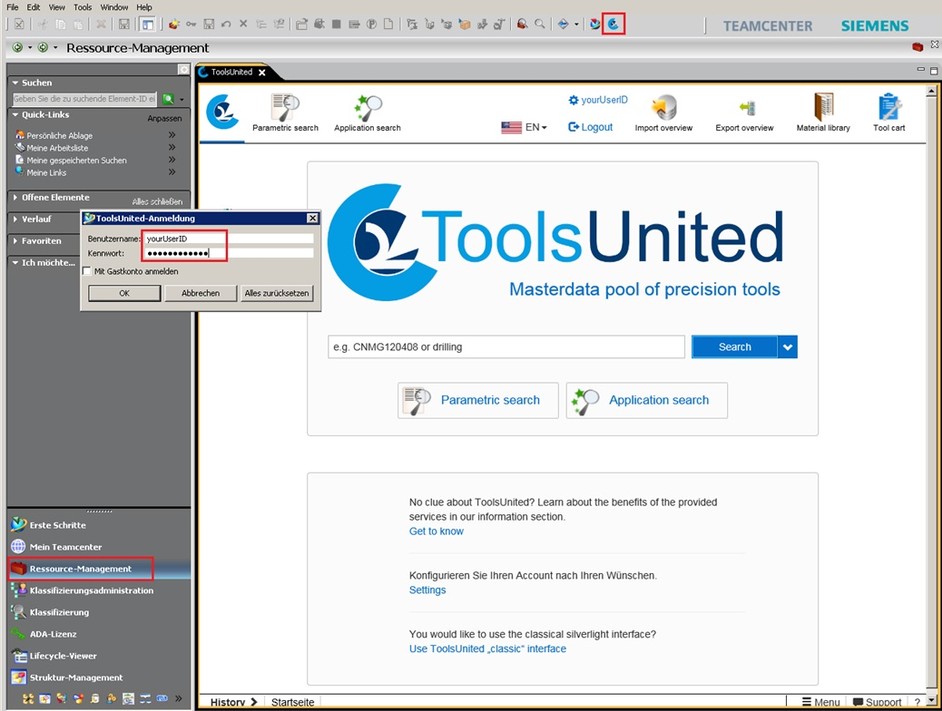
One option to find tools in Teamcenter is the general search, using the web interface of ToolsUnited.

  • Move to the navigation pane on the lower left of your Teamcenter interface and navigate to the “Resource-Management” dialog.
  • Use the CIMSOURCE button in the toolbar at the top to access the web interface of ToolsUnited. A dialog will pop up, requesting your username and password.
  • The “ToolsUnited” tab will open, presenting the familiar web interface of ToolsUnited.
NI LabView 2020 SP1 v20.0.1 -x86-x64- -FileCR-

1.2. Classification Search Dialog

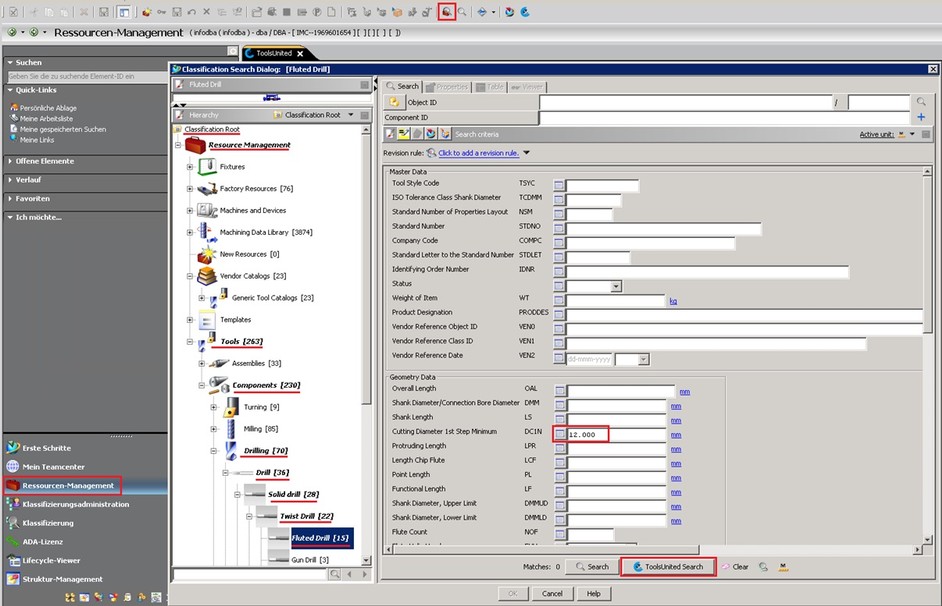
Alternatively, you may use the “Classification Search Dialog” to find tools in Teamcenter.

  • Again, move to the navigation pane on the lower left of your Teamcenter interface and navigate to the “Resource-Management” dialog
  • Use the “Classification Search Dialog” button in the toolbar at the top to access the window
  • In that window, use the Classification Root to navigate to the tool class you would like to browse (e.g. Classification Root → Resource Management → Tools → Components → Drilling → Solid drill → Twist Drill → Fluted Drill)
  • Using the “Search criteria” mask, you may define your tool. Start your search by using the “ToolsUnited Search” button
  • The “ToolsUnited” tab will open, presenting your results on the familiar web interface of ToolsUnited
step 2 of teamcenter and ToolsUnited interface description

2. Downloading tool data from ToolsUnited

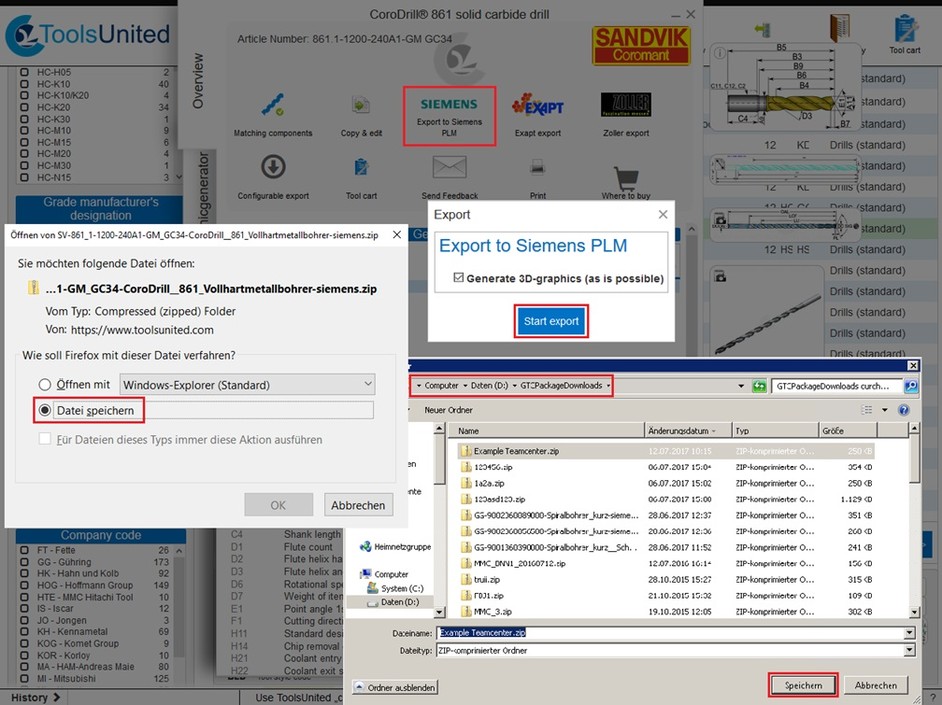
  • When you have selected a tool that matches your search criteria, you may download it by clicking the “Export to Siemens PLM” button.
  • In the export dialog, you may choose whether a 3D graphic shall be generated.
  • After clicking “Start export”, the download options will show. We recommend saving the data in the same directory you’ve chosen earlier in the preference “MRMGTCVendorCatalogRootDir” (Standard is “C:” and “D:”).
step 3 instruction on ToolsUnited and Siemens PLM

Ni Labview 2020 Sp1 V20.0.1 -x86-x64- -filecr-

NI LabVIEW 2020 SP1 (v20.0.1) is a specialized graphical programming environment. It is widely used by engineers and scientists for data acquisition, instrument control, and industrial automation. Unlike traditional text-based languages like C++ or Python, LabVIEW uses "G" (a dataflow programming language) to visualize system hardware, configuration, and data processing. Core Features and Architecture Graphical Interface: Uses icons and wires to represent logical flow. Dataflow Logic:

NI LabVIEW 2020 SP1 (v20.0.1) — Overview, installer notes, and quick troubleshooting

National Instruments LabVIEW 2020 Service Pack 1 (v20.0.1) is a maintenance release for the LabVIEW 2020 platform that provides bug fixes, compatibility updates, and improvements to installers and runtime components for both x86 and x64 Windows platforms. Below is a concise, practical blog-style guide covering what this release is, installation notes (including common installer switches and the “-FileCR” fragment you included), compatibility considerations, and quick troubleshooting tips. NI LabView 2020 SP1 v20.0.1 -x86-x64- -FileCR-

LabVIEW 2020 SP1 v20.0.1 has a wide range of applications across various industries, including: NI LabVIEW 2020 SP1 (v20

Key Features of LabVIEW 2020 SP1 v20.0.1 Installer fails or hangs: x86 Version: Essential for

Quick troubleshooting (common issues & fixes)

  • Installer fails or hangs:

    x86 Version: Essential for users who need to maintain compatibility with older toolkits or specific hardware drivers that haven't transitioned to 64-bit.

    • LabVIEW example VIs for File I/O (use LabVIEW Help → Example Finder)
    • Built-in string and file palettes in the block diagram for quick access
    1. Test and measurement: The software is widely used in test and measurement applications, including data acquisition, signal processing, and instrument control.
    2. Industrial automation: LabVIEW is used in industrial automation applications, including control systems, robotics, and process monitoring.
    3. Scientific research: The software is used in various scientific research applications, including data acquisition, analysis, and simulation.

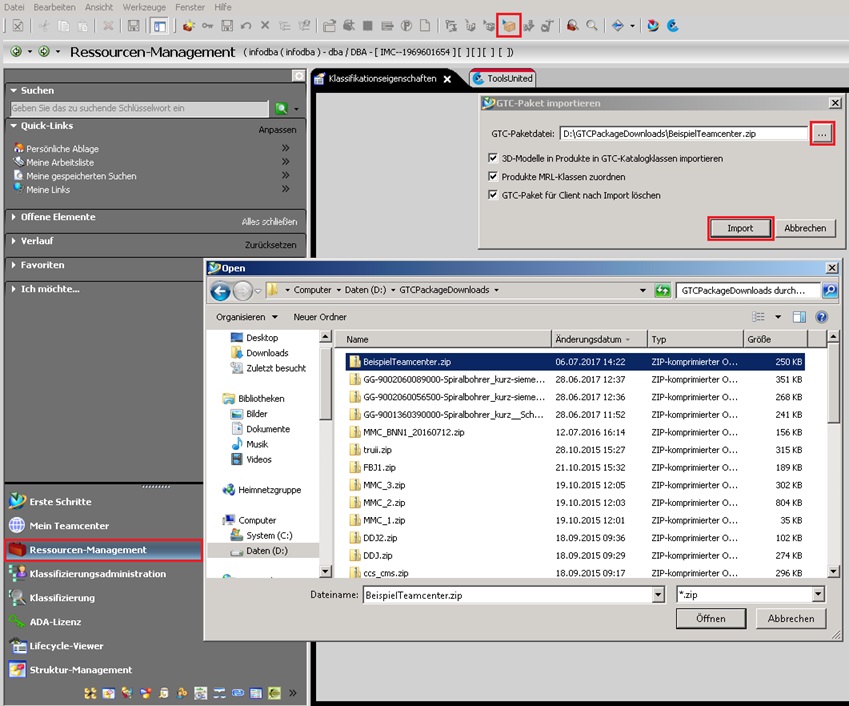
  • In the navigation pane on the lower left, choose the “Resource Management”
  • Click the “Import GTC package and map from catalog to customer area” button from your toolbar at the top
  • A dialog will appear. Choose the GTC Package you have downloaded. By ticking, you may also trigger the following options:
    • The import of 3D models
    • Mapping tools from GTC ToolsUnited classes to MRL Tool Component classes
    • Deleting the GTC packages from the Teamcenter client
NI LabView 2020 SP1 v20.0.1 -x86-x64- -FileCR-

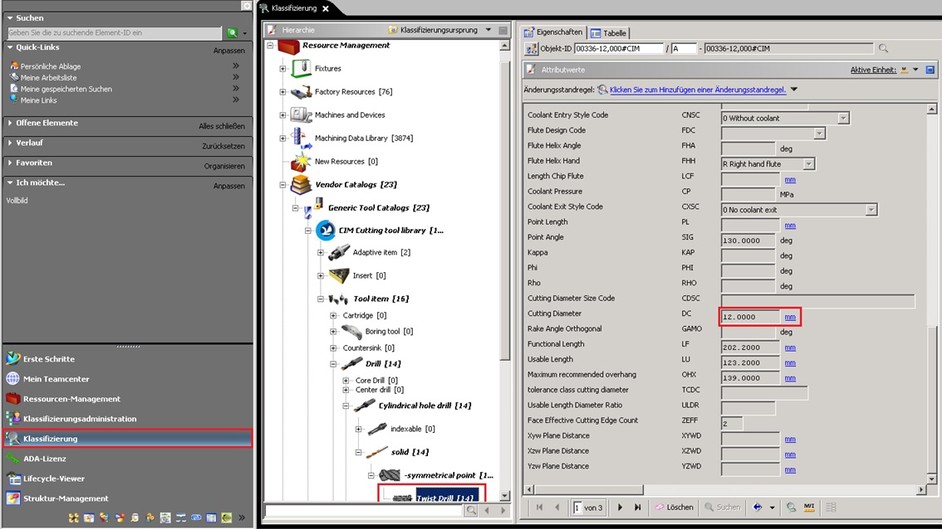
Successfully imported tools will be displayed in the application “Classification”. Extend the hierarchy to the respective tool subclass and search for e.g. the Cutting Diameter.

step 4 instruction on Siemens PLM and ToolsUnited