The proliferation of video content on the internet has opened up new avenues for expression and communication. However, it also raises concerns about cultural representation, privacy, and the impact on social norms. In Malaysia, a country known for its multicultural society, these issues can be particularly sensitive. This blog post aims to explore the implications of video content, specifically in the context of cultural and social norms in Malaysia, with a focus on the Malay community and the topic of jilbab (hijab).
Virtual Jilbab: On Second Life and Zepeto, Malay-Muslim girls create avatars with hijabs. Is this a sin? Scholars debate whether digital modesty applies. Sports and Leisure: The rise of Muhammad Ali jilbab (for sports) and jilbab snorkeling gear shows that the garment is adapting to beach culture, previously a Western domain. The Economic Reality: China has entered the chat. Chinese textile factories now produce 90% of the jilbab fabric sold in Malaysia and Indonesia, undercutting local weavers. A movement to buy "Muslim-made" jilbabs is clashing with the reality of affordable fast fashion. video mesum malaysia melayu jilbab
Indonesia frequently accuses Malaysia of "cultural theft." The most famous conflicts involve the song Rasa Sayange (which Indonesia claims as a Maluku folk song) and Pendet dance (Balinese), which appeared in Malaysian tourism ads. Recently, the argument has extended to the jilbab. Title: Understanding the Impact of Video Content on
The term Melayu (Malay) is a linguistic and ethnic classification that predates the nation-states of Malaysia and Indonesia. Historically, the Malay world (Alam Melayu) stretched from Southern Thailand, through Peninsular Malaysia, Sumatra, Borneo, and as far east as the Maluku Islands. Imported from Indonesian Salafi movements (e
In both countries, the jilbab has transformed from a marginalized symbol to a mainstream cultural norm, though the paths were different: The Relationship Between Indonesia and Malaysia
Both countries face ongoing debates regarding the intersection of religious dress and state authority:
News
08/02/2025 - Moon Patrol Unknown Territories romhack released
25/11/2024 - Website update: all romhacks playable online
25/11/2024 - Donkey Kong Sprites & Hitboxes romhack released
02/04/2024 - Galaga Wave Mixer romhack released
19/01/2024 - Website update: new dark theme
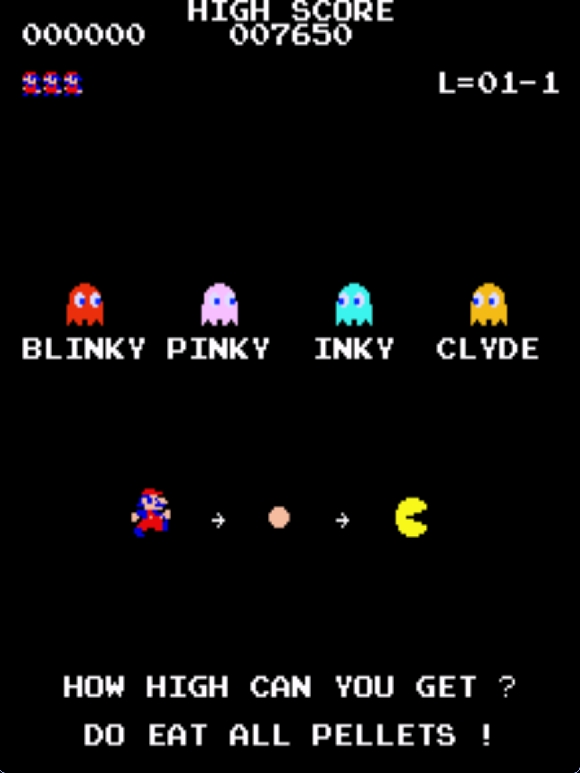
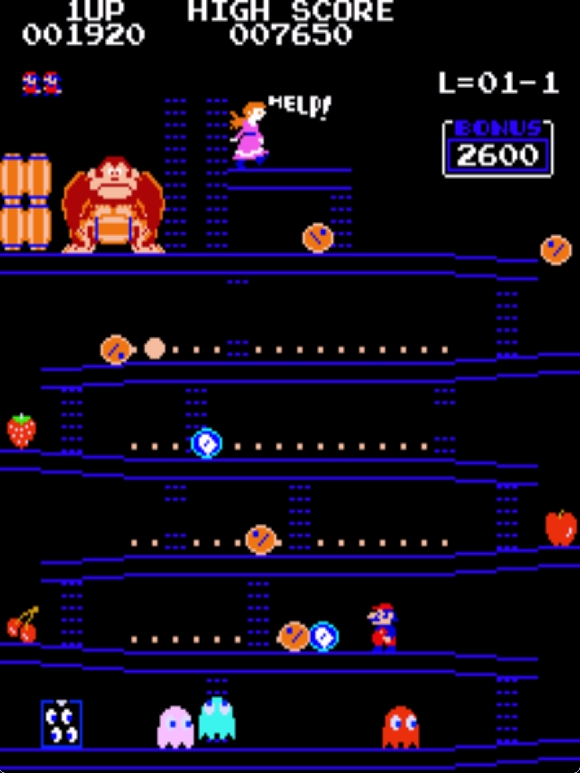
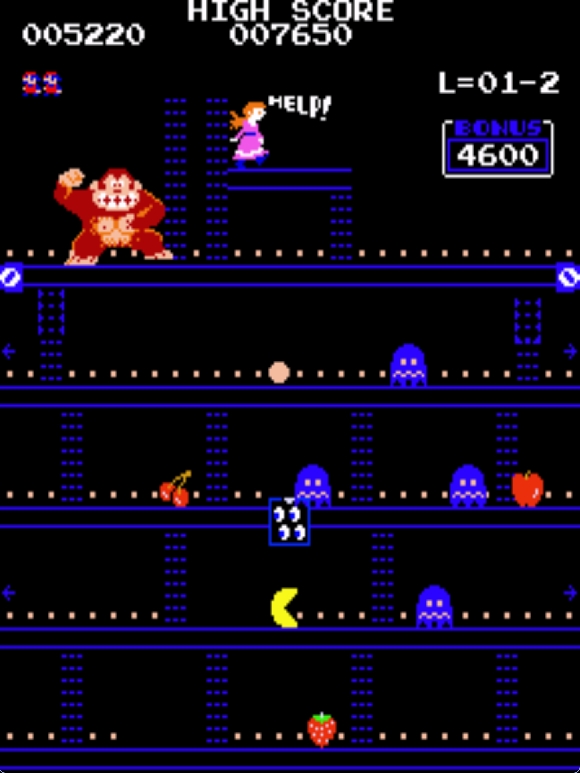
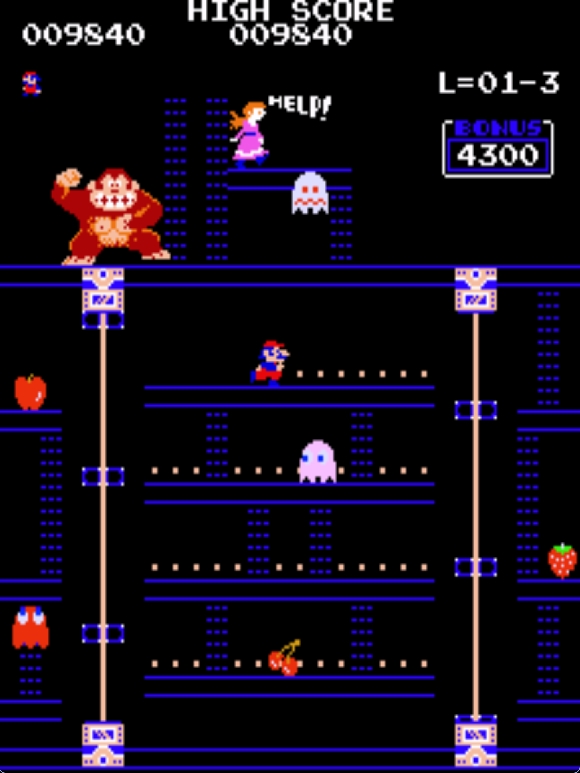
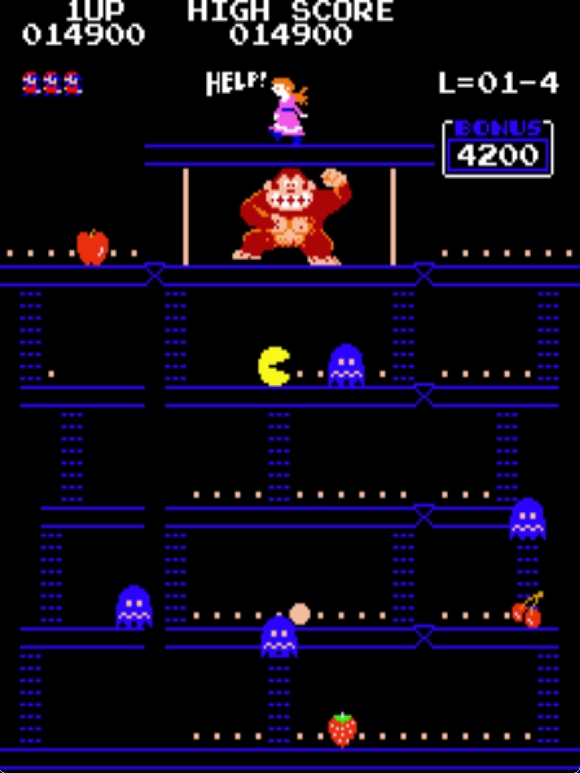
17/01/2024 - Donkey Kong Pac-Man Crossover romhack released
10/09/2023 - Donkey Kong Accelerate romhack released
24/08/2023 - Donkey Kong Barrelb∞ss romhack released
23/04/2023 - Added Retro Achievements to RetroArch page
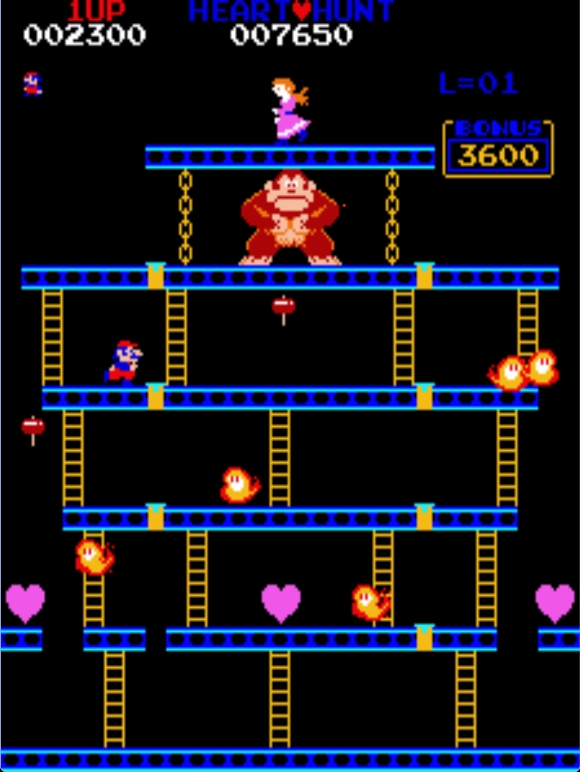
22/04/2023 - Rayfinkel is winner of the DK Hearthunt Tournament
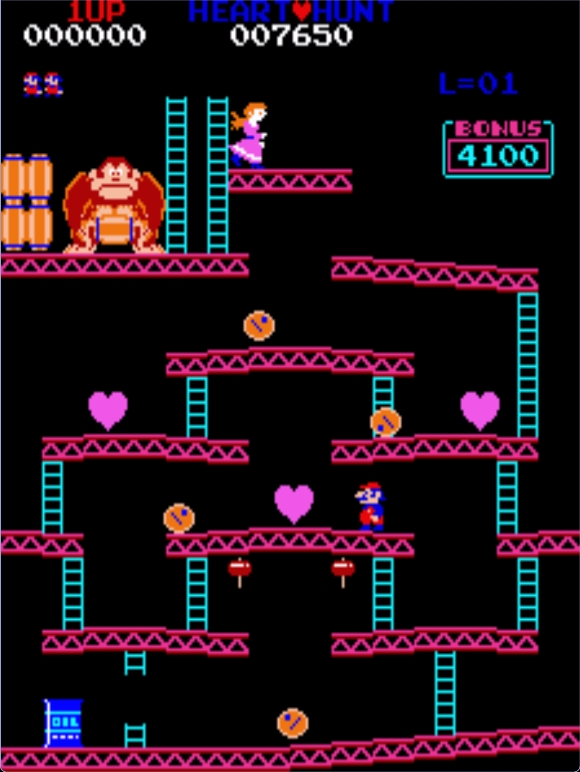
09/04/2023 - DK Hearthunt Tournament started
Older news ...
Join
If you enjoy playing Donkey Kong, want to meet like-minded people, and maybe show your skills in a tournament, consider joining the Kong League Discord.
 Join Kong League
© Copyright 2019-2025 - Paul Goes
 Follow me on YouTube