Walkman Chanakya 901 is a widely recognized legacy Hindi font primarily used in Desktop Publishing (DTP), graphic design, and the professional printing industry in India. While modern web standards favor Unicode (like Mangal), Walkman Chanakya remains a staple for traditional publishers and designers due to its aesthetic appeal and established history in print media. Key Characteristics
Because it is a legacy font, text written in Walkman Chanakya 901 is not "readable" by web browsers or standard search engines. Users often rely on online or offline font converters to transform it into Unicode for digital distribution. PDF Extraction:
Let’s decode the name. Walkman was the industry nickname for a specific font engine that prioritized speed over beauty. Chanakya was the "character"—the specific typeface family named after the wily strategist, implying that these fonts were cunningly designed to fit more text into smaller spaces. And 901? That was the magic number; likely the internal code for a specific encoding standard that shifted keyboard mappings so radically that typing the letter "Ka" required the dexterity of a concert pianist.
While modern fonts have surpassed it in technical capability, Chanakya 901’s legacy lies in its reliability, its ubiquity, and its role in making Hindi publishing accessible to the masses. As we move further into the age of variable fonts and AI-generated typography, remembering fonts like Chanakya 901 reminds us that technology is not just about progress—it is also about the quiet, everyday tools that shaped our communication.
The Walkman Chanakya series is a modified version of the original "Chanakya" font, which was developed by Harsh Kumar in 1993. While the name "Walkman" was likely inspired by the iconic 90s portable audio brand, the "901" designation refers specifically to the number of glyphs or characters included in that specific version.
Walkman Chanakya 901 is a widely recognized legacy Hindi font primarily used in Desktop Publishing (DTP), graphic design, and the professional printing industry in India. While modern web standards favor Unicode (like Mangal), Walkman Chanakya remains a staple for traditional publishers and designers due to its aesthetic appeal and established history in print media. Key Characteristics
Because it is a legacy font, text written in Walkman Chanakya 901 is not "readable" by web browsers or standard search engines. Users often rely on online or offline font converters to transform it into Unicode for digital distribution. PDF Extraction:
Let’s decode the name. Walkman was the industry nickname for a specific font engine that prioritized speed over beauty. Chanakya was the "character"—the specific typeface family named after the wily strategist, implying that these fonts were cunningly designed to fit more text into smaller spaces. And 901? That was the magic number; likely the internal code for a specific encoding standard that shifted keyboard mappings so radically that typing the letter "Ka" required the dexterity of a concert pianist.
While modern fonts have surpassed it in technical capability, Chanakya 901’s legacy lies in its reliability, its ubiquity, and its role in making Hindi publishing accessible to the masses. As we move further into the age of variable fonts and AI-generated typography, remembering fonts like Chanakya 901 reminds us that technology is not just about progress—it is also about the quiet, everyday tools that shaped our communication.
The Walkman Chanakya series is a modified version of the original "Chanakya" font, which was developed by Harsh Kumar in 1993. While the name "Walkman" was likely inspired by the iconic 90s portable audio brand, the "901" designation refers specifically to the number of glyphs or characters included in that specific version.
Bet49s.com is the #1 place online for all things related to betting on the UK 49's Lotto. We compare bookmaker odds, find the best offers, have all the latest results and loads more. Read More »
Select Your Region:

Posted 14 Nov 2025
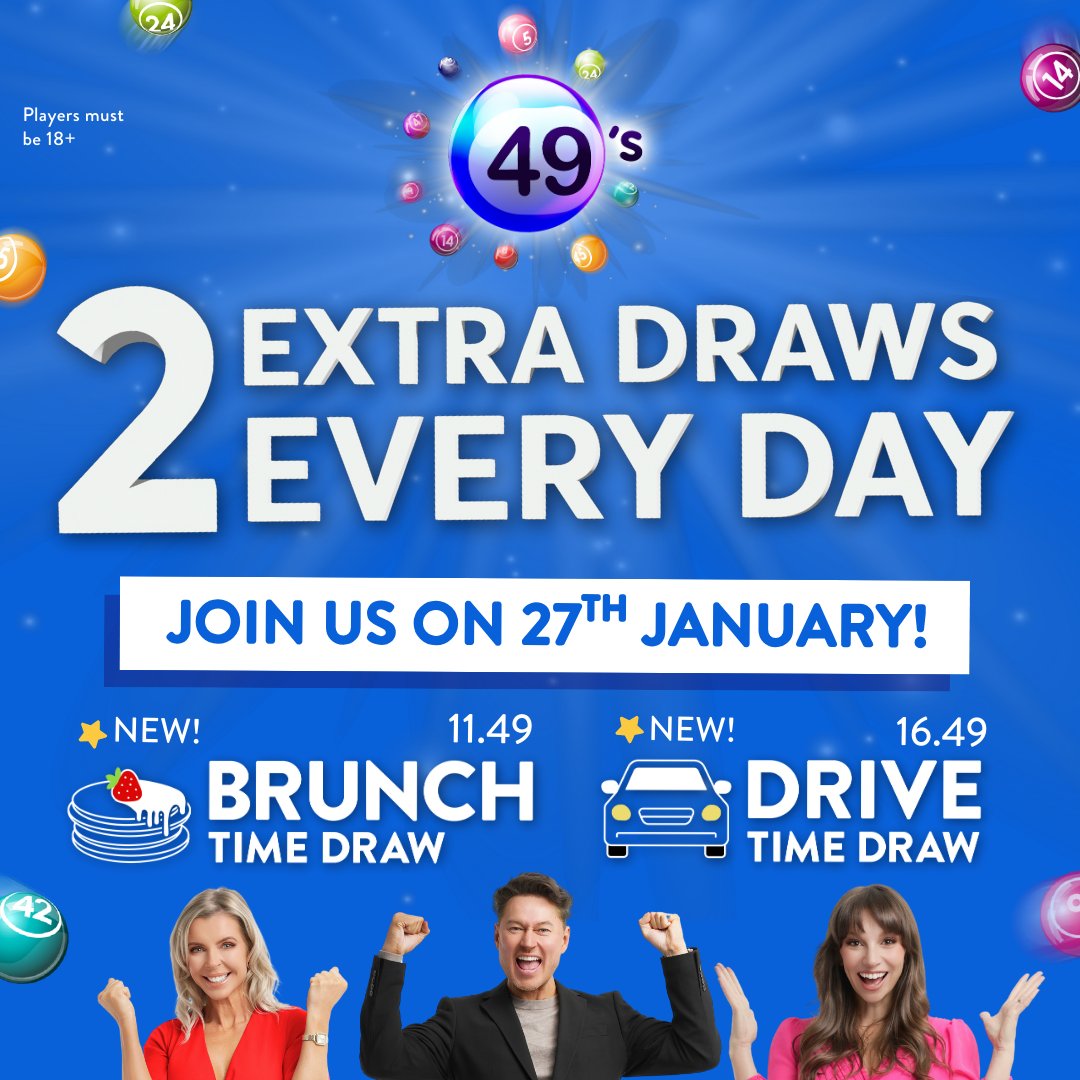
The Evolution of 49's: New Brunch Time & Drive Time Draws
Posted 3 Jan 2026
© 2026 Bet49s.com
Contact Us • Disclaimer • Privacy Policy • Cookie Policy • Cookie Preferences • Safer Gambling

Bet49s.com only provides information about online lotto operators that are fully licensed and regulated by the Gambling Commission of the United Kingdom. Keep Gambling Fun!
You can get help with gambling from the following organisations:

Next 49's Draw: See Best Odds
Please select one of our betting partners:
* Odds Disclaimer: The displayed odds are intended as a guide only and whilst we work hard to ensure they're up to date, they are subject to change from the operators. Odds correct as of 09/12/2025. Please always check odds on the betting operator site before placing any bets. #Ad. Find out more on our How Our Site Works page. Walkman Chanakya 901 Hindi Fonts


 UK/IRE
 ZA
ZA
 Continue To UK Site